
- Article no.
- HBC-WHL-006
- Category
- Polished wheel repair
- Workflow
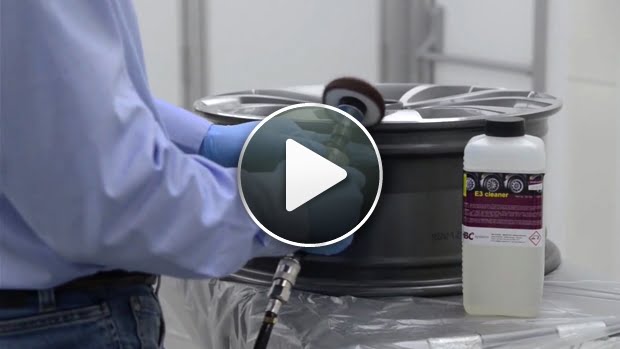
- Kerb and scratch repair
- Result
- Restored polished finish
- Use case
- Premium wheel repair
- System role
- Polished wheel repair route for visible rim finish correction
- Damage focus
- Kerb marks, scratches, and finish defects on polished alloy wheel areas
- Workflow position
- Use after damage assessment and before paint or final finishing decisions
- Finish dependency
- Requires correct preparation, finish expectation, and operator judgement
- Proposal check
- Confirm wheel type, damage depth, finish target, and whether diamond cutting is required
- Product role
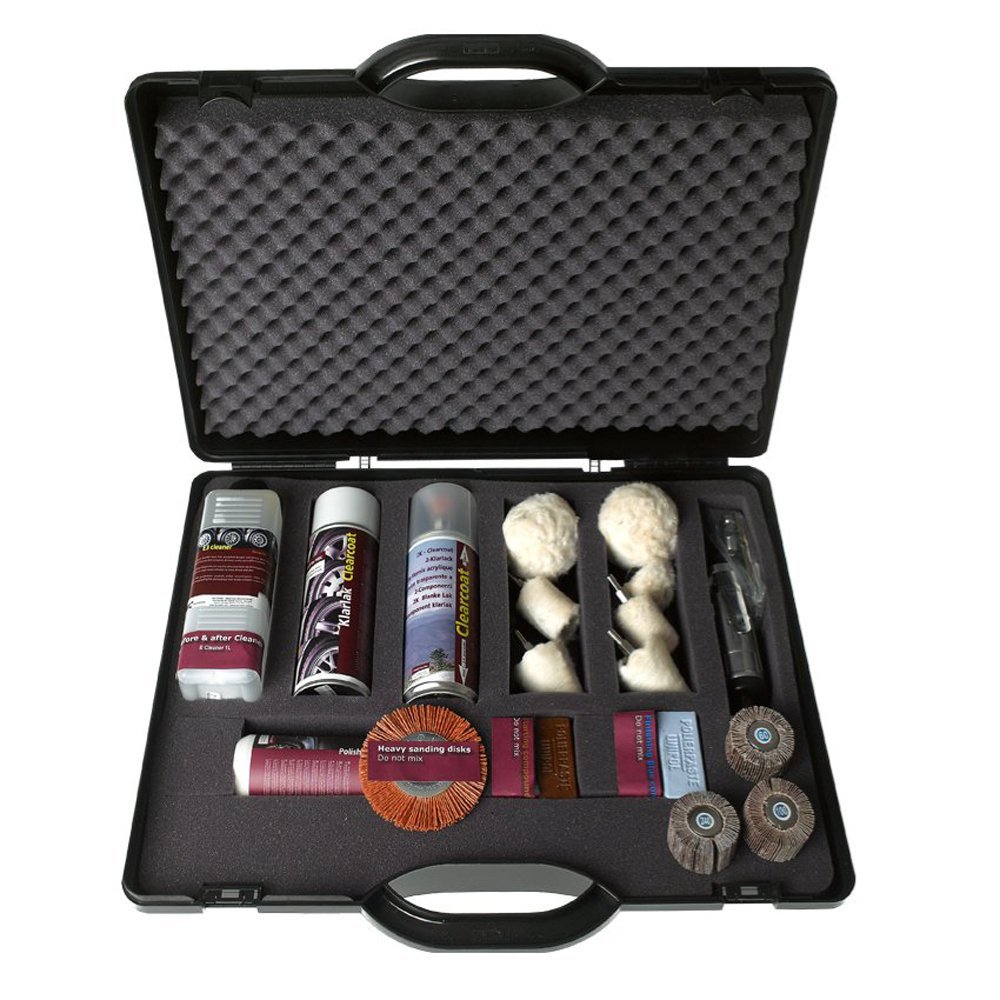
- Polished wheel repair
- Common applications
- Polished alloy wheels, Kerb damage repair, Corrosion repair
- Decision focus
- Targets kerbed, scratched, and corroded polished wheels.
- Product tier
- Polished alloy wheel repair route
- Choose when
- Choose Alloy Wheel Repair Polished when the customer sees polished-wheel damage that does not automatically require a diamond-cut machine decision.
- Key difference
- This is the polished-wheel cosmetic repair route; it is narrower than a full diamond-cut repair centre and different from wheel painting.
- Not first when
- Do not lead with this route when the wheel needs structural straightening, full CNC diamond cutting, or automated repainting.
- Setup / training check
- Confirm workflow stage, damage type, volume, workspace, operator skill, consumables, and whether installation or training is required.
- Consumables / aftercare
- Plan operator training, consumables, repeat-use discipline, service notes, and the next product that completes the workflow.
- Next step
- Ask M&H to confirm the exact workflow sequence before quoting so the product fits the real repair process.