Buyer guides
Read the problem, workflow, proposal questions, and connected product route before buying.
Knowledge hub
Use practical guides to connect workshop problems with products, videos, application images, training, and the right M&H Group proposal route.
Knowledge shortcuts
Choose the route that matches the buyer's question: learn first, compare products, watch proof, or see product application context.
Read the problem, workflow, proposal questions, and connected product route before buying.
Find products, article numbers, videos, application routes, and official supplier references.
See equipment in context so buyers can prepare better proposal questions.
Guides by topic
Each guide connects a commercial question to products, videos, application images, FAQs, and the right contact path.

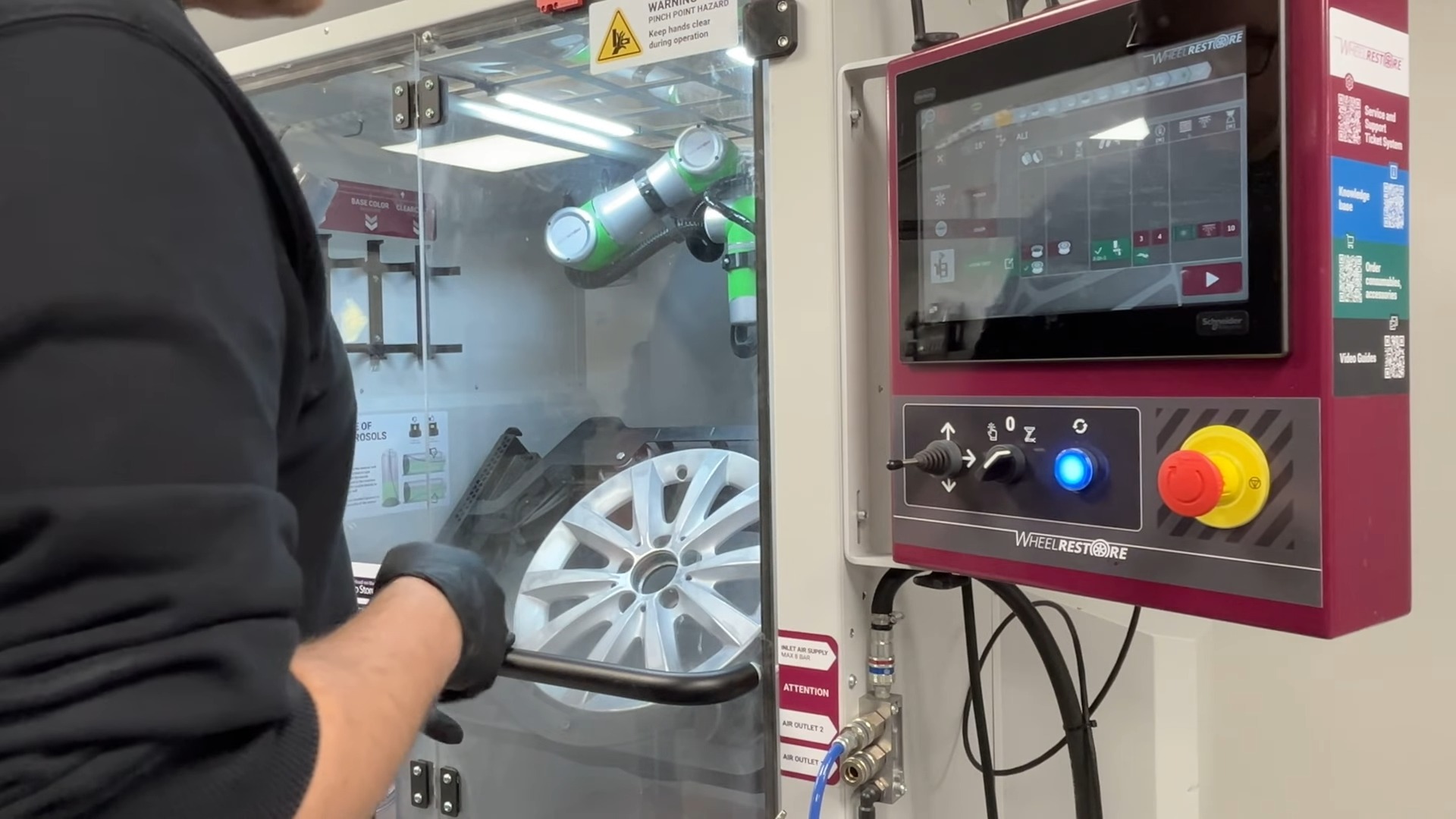
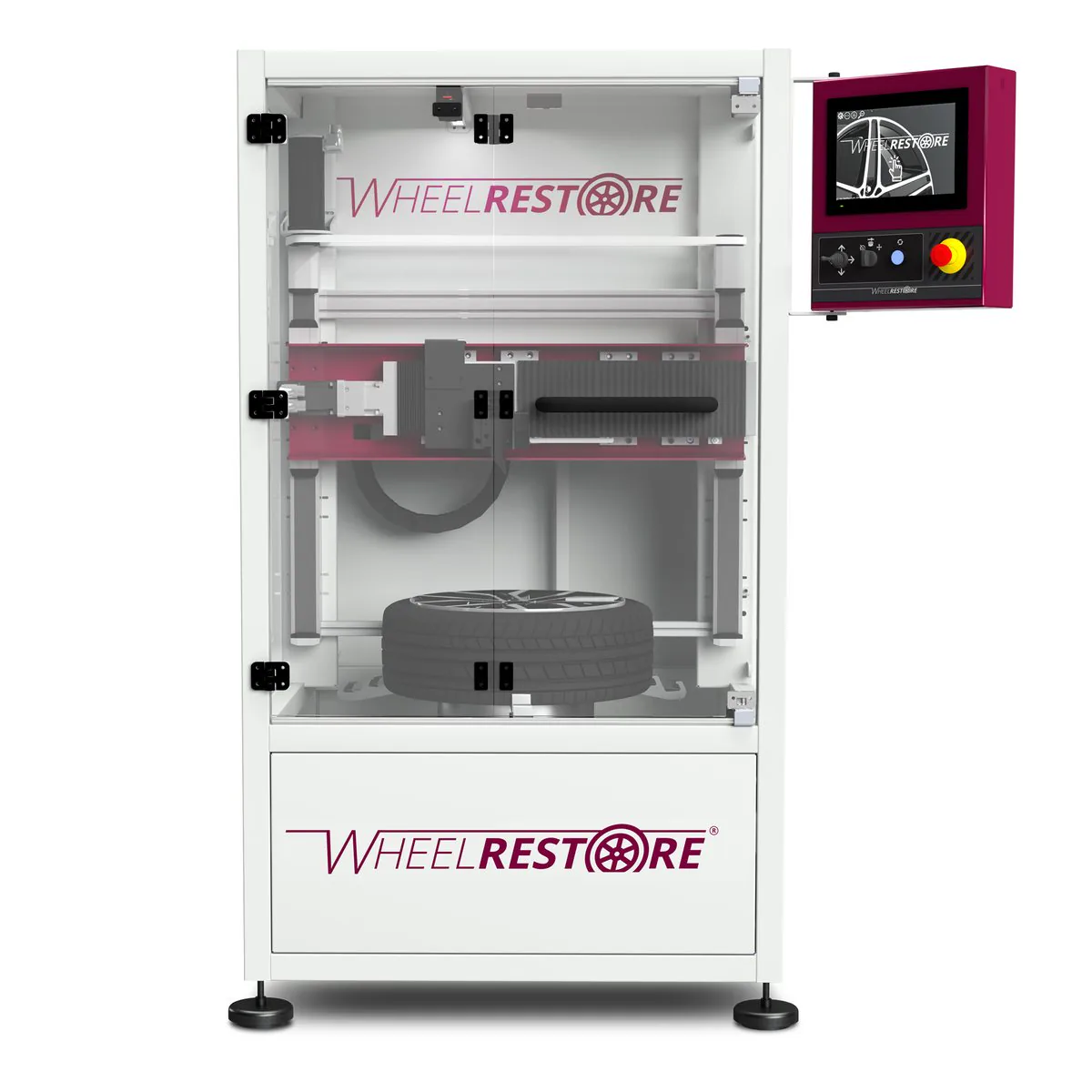

HBC-System wheel repair should be reviewed as a complete workflow: inspect the wheel, correct damage, prepare the surface, refinish the visible face, control paint/extraction, and support the operator with training and consumables.

A profitable wheel repair route is usually not one machine. It is a controlled workflow for inspection, straightening, preparation, painting, finishing, and operator training.

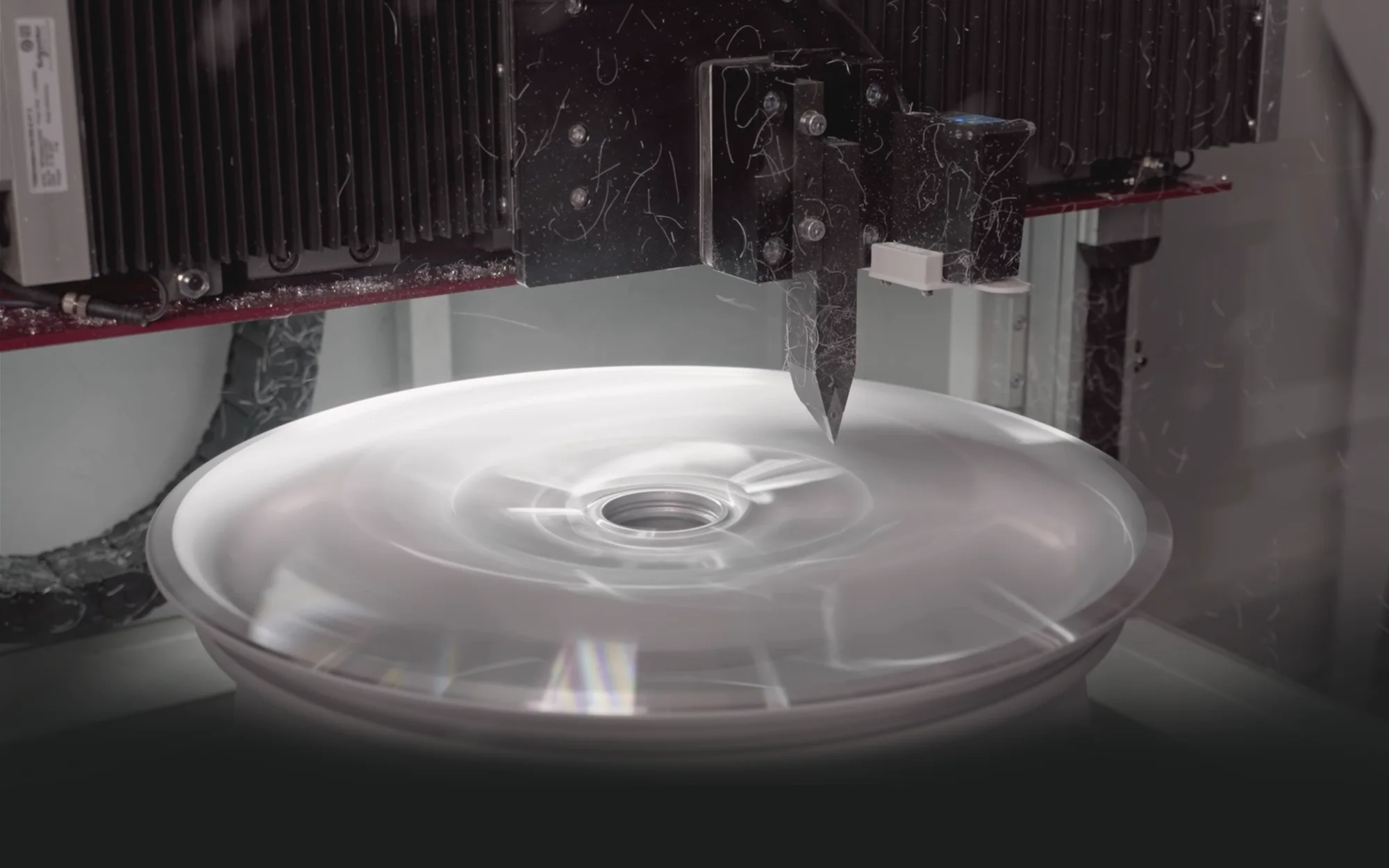
A diamond cut wheel machine should be evaluated by workflow fit, finish repeatability, operator confidence, and how it connects to preparation and painting steps.

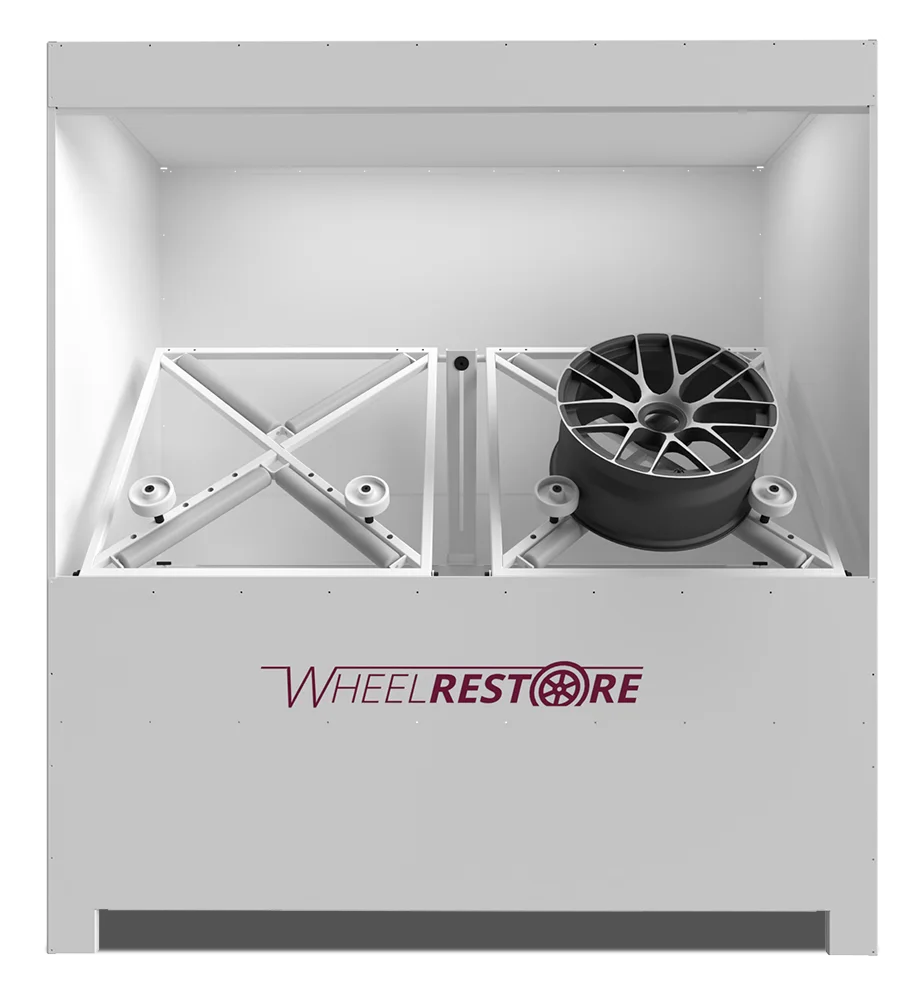
Wheel painting equipment should improve repeatability, reduce guesswork, and protect the finish quality that makes a wheel repair service credible.

SMART repair equipment helps a bodyshop keep small but profitable repair jobs in-house when the service is structured around damage type, training, and workflow.

Paint booth extraction decisions should be tied to repair routing, booth pressure, dust and fume control, sanding and prep work, and the jobs that should not consume the main booth.

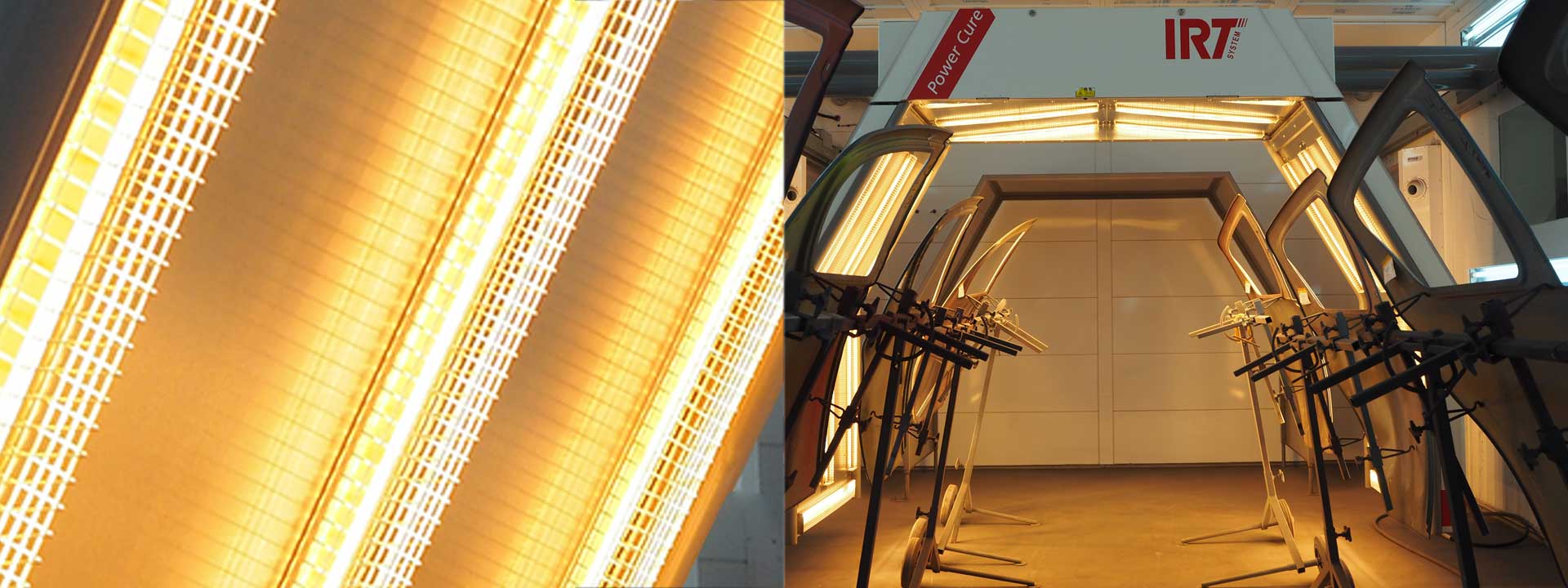
Curing equipment should be chosen by repair size, paint process, bay layout, operator control, and whether the workshop needs portable, fixed, rail, UV, or infrared support.

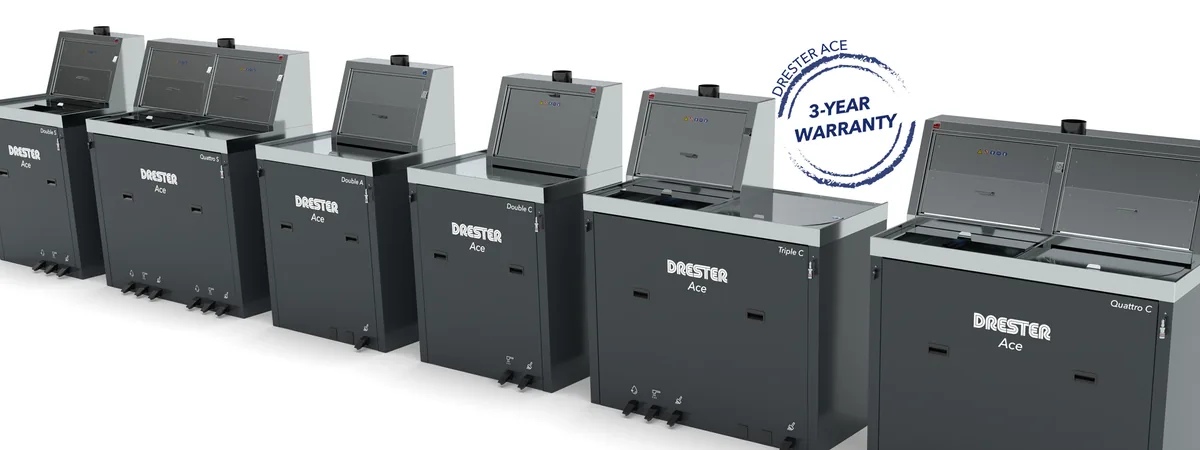
Cleaning and mixing-room equipment should protect paint quality, reduce mess, standardize routines, and make waste handling easier to control.

Underbody and chassis protection should be treated as a long-term vehicle care program, especially for fleets, coastal exposure, heavy-use vehicles, and harsh operating environments.

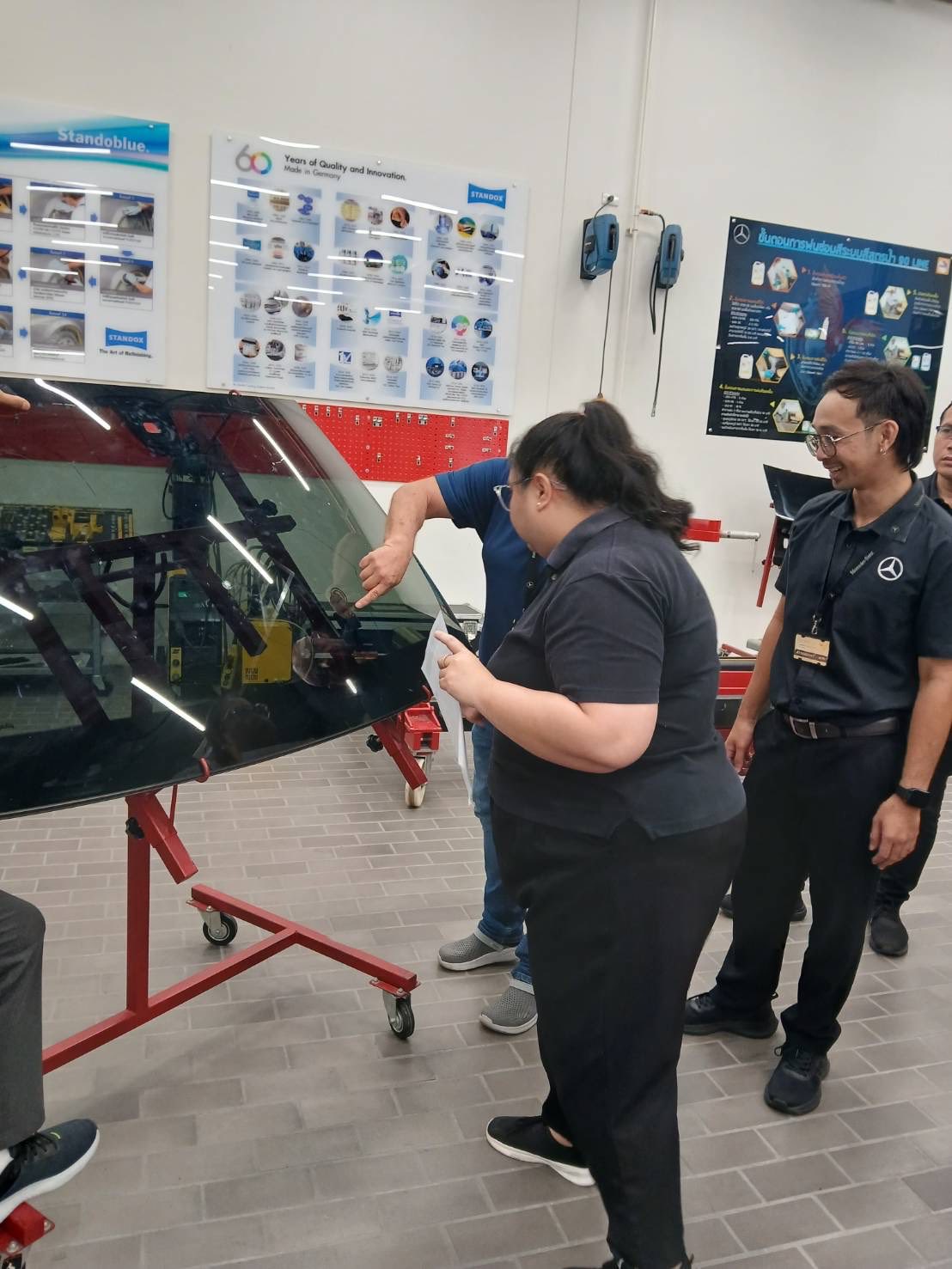
PDR training is most valuable when it is connected to a clear business goal: faster small dent repair, retained paint value, new revenue, or technician capability.

The best equipment decision starts with the workshop outcome, not the product catalogue. Buyers should define workflow pressure, retained margin, operator capability, and support needs first.
Topic map
The knowledge routes help Google, AI search, and real customers understand what each category solves.
03 related guide routes for this topic.
01 related guide routes for this topic.
Next step
Workshop knowledge search guide
The knowledge hub turns common search questions into practical buying guidance for wheel repair, SMART repair, paint extraction, curing, cleaning, lifting, protection, corrosion care, training, and distributor support.