Curing

IRT Paint Curing and Drying Knowledge Hub

IRT curing equipment should be selected by the paint workflow problem first: prep drying, spot repair, panel curing, rail-mounted production, thermal control, operator consistency, and the support needed after installation.

Prepared by M&H Group Technical TeamBased on official IRT informationApproximately 10 minutes

Workshop summary

What this guide helps you plan.

Paint departments lose capacity when vehicles wait between preparation, paint, curing, polishing, and handover. The right IRT option helps the workshop control that drying step instead of treating curing as a generic lamp purchase.

  1. Locate the real drying bottleneckConfirm whether the delay sits in filler or primer drying, flash-off, spot repair, panel curing, full bay flow, or inconsistent operator setup.
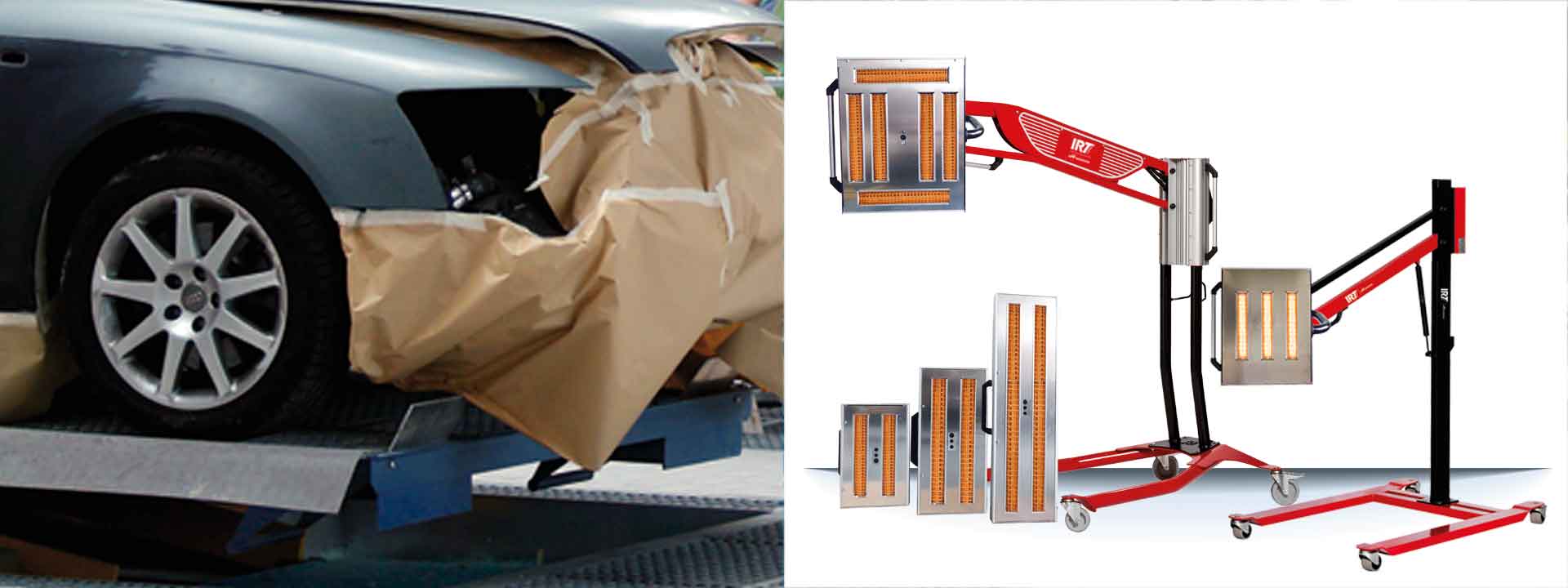
  2. Match the curing technology to the material and repair sizeUV, UVA PrepCure, infrared PrepCure, thermal camera control, and rail-mounted systems solve different workflow problems.
  3. Choose the right mobility levelHandheld, mobile stand, bay-based, rail-mounted, and high-control options fit different space, volume, and operator routines.
  4. Plan the support plan before requesting a quoteTraining, lamp care, UV safety, working distance, power, bay layout, and repeatable settings should be visible before the equipment is selected.
Workshop sequence

Understand the process before choosing a model.

Start with the work objective, then confirm equipment, space, installation, and support requirements.

01
01 / Diagnose

Find the point where the paint department waits.

A curing quote should start by mapping where vehicles pause: prep, filler, primer, flash-off, UV spot repair, panel curing, or final handover.

02
02 / UV spot repair

Use UV where material, repair size, and safety setup fit.

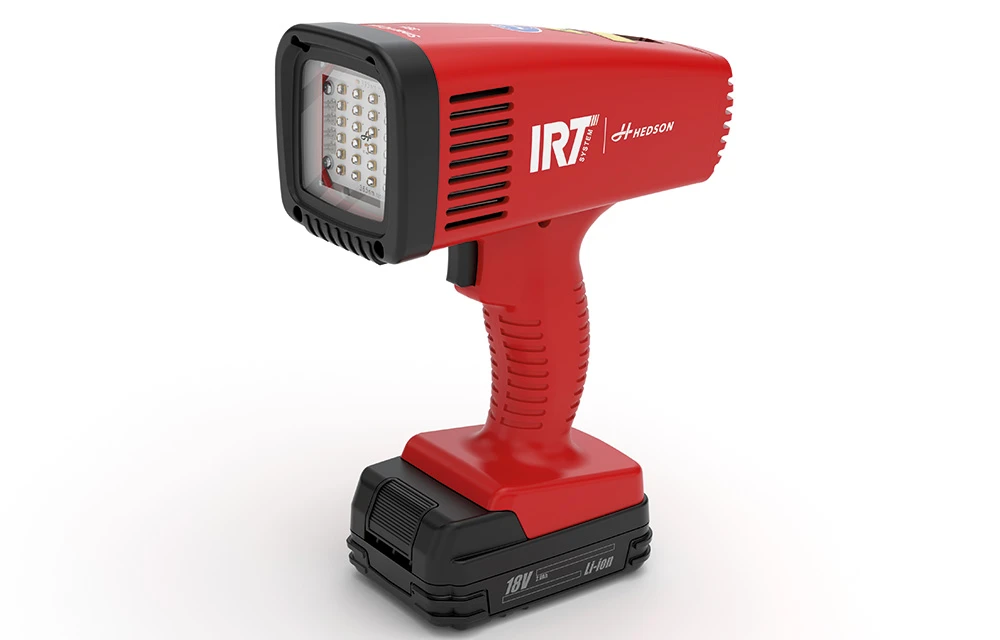
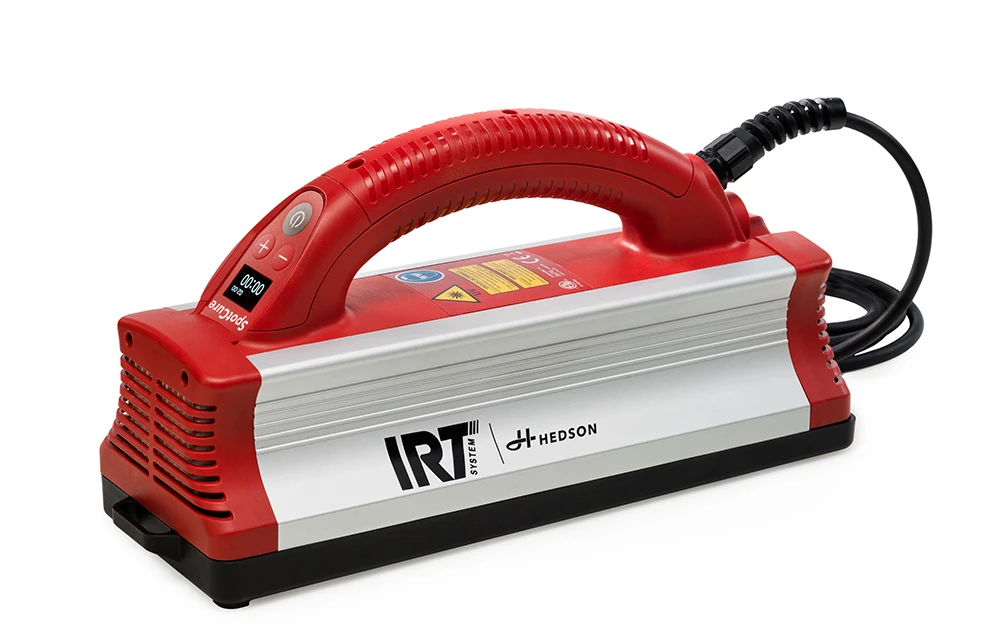
IRT UV SmartCure and SpotCure options are strongest when the shop works with UV-curing materials and needs controlled spot repair speed without a large fixed installation.

03
03 / PrepCure

Choose PrepCure when preparation drying is the constraint.

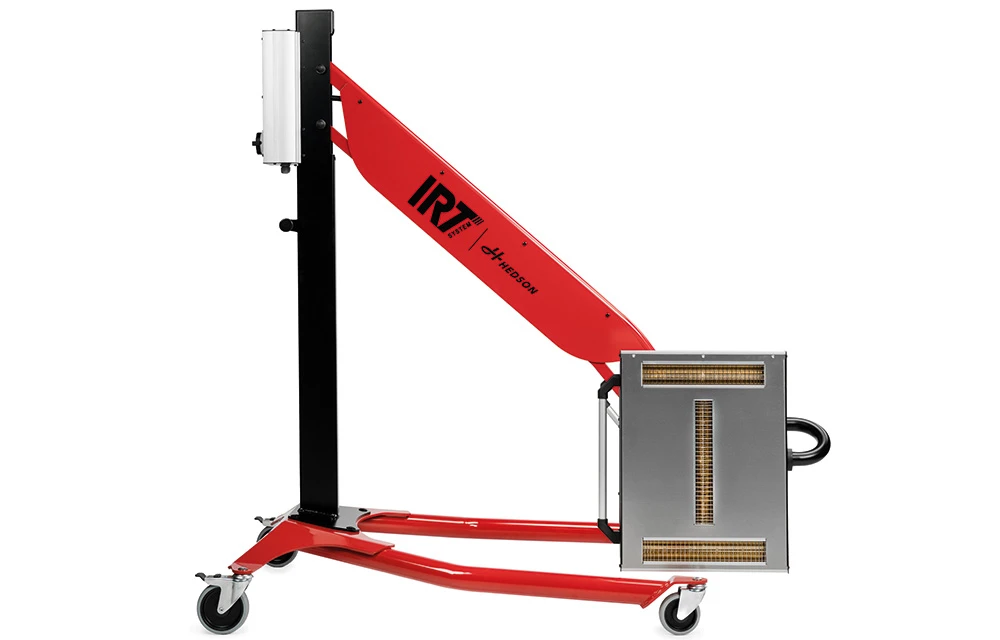
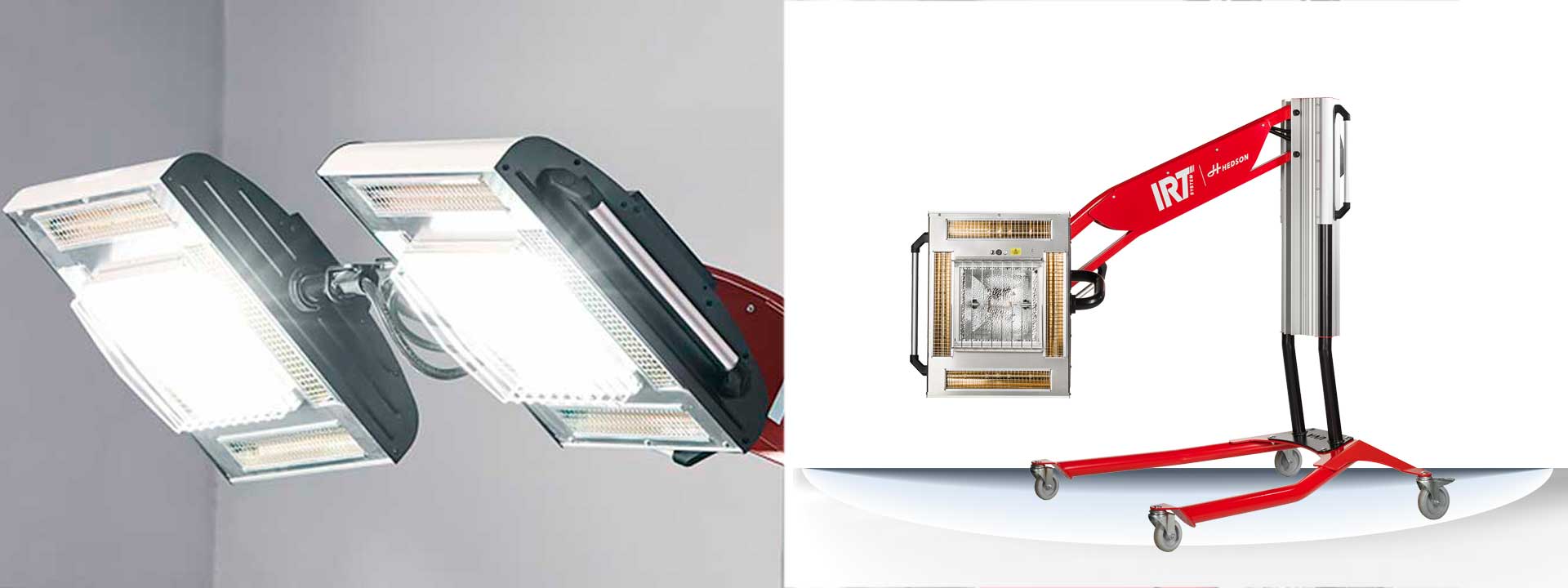
Prep X LDP, Prep 4, Prep 3, and Prep 1-2 should be compared by reach, cassette size, working distance guidance, panel size, and how much operator feedback the shop needs.

04
04 / Infrared panel curing

Use infrared options for controlled panel and production work.

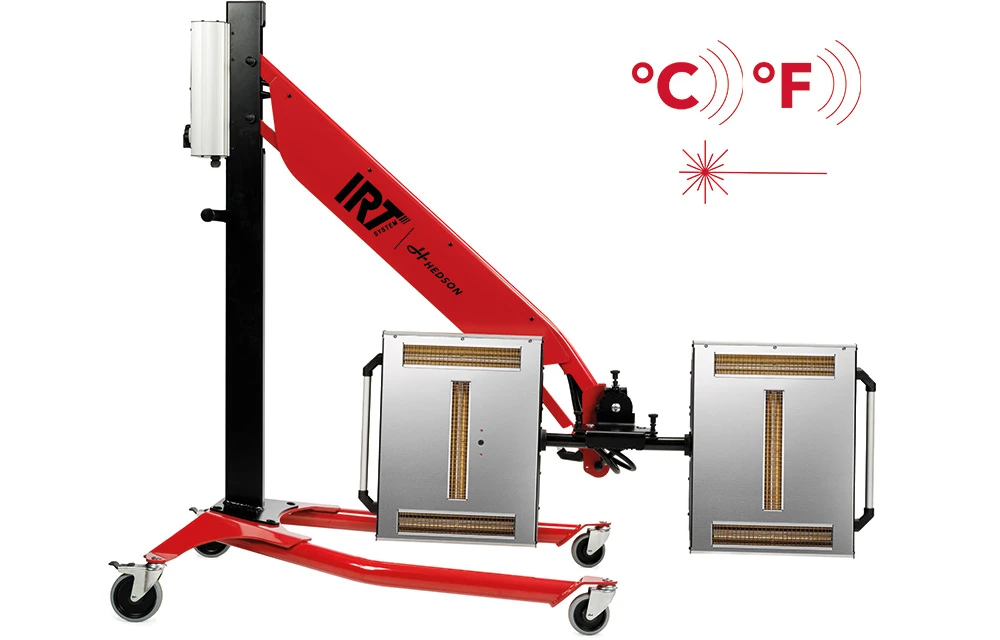
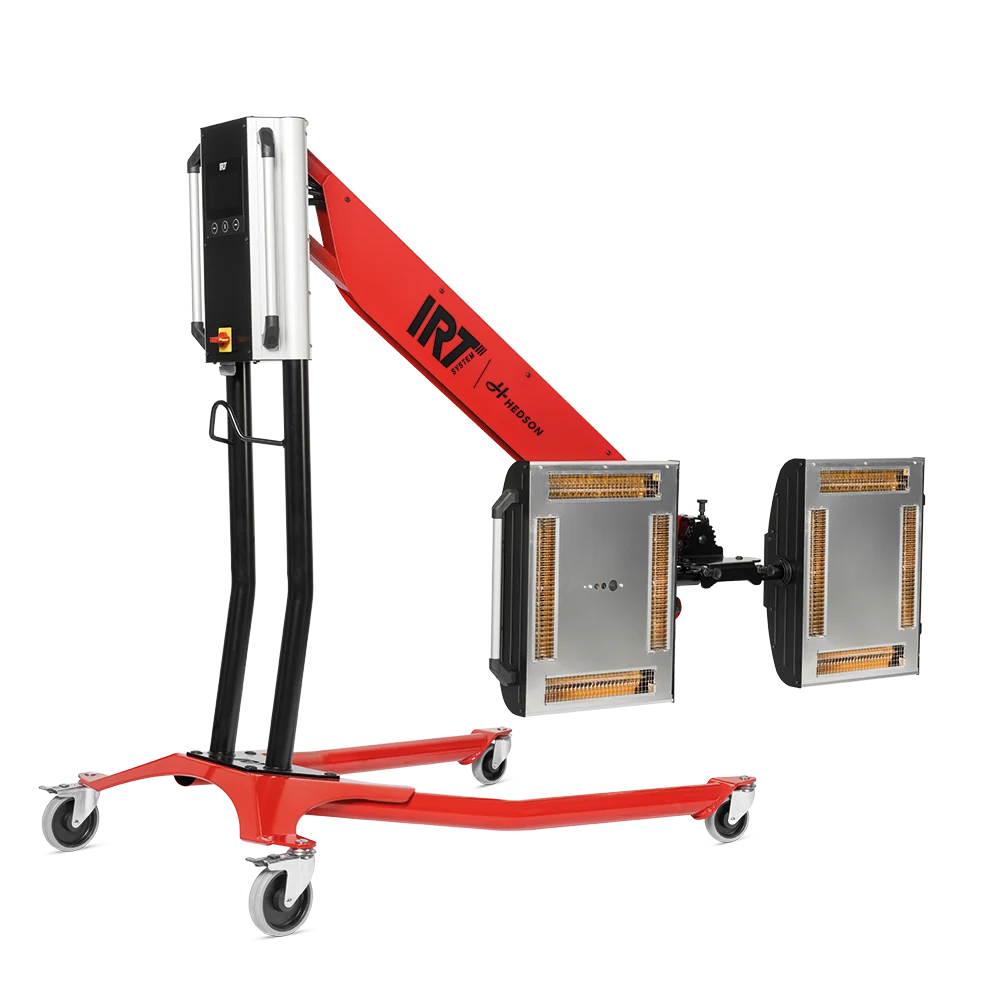
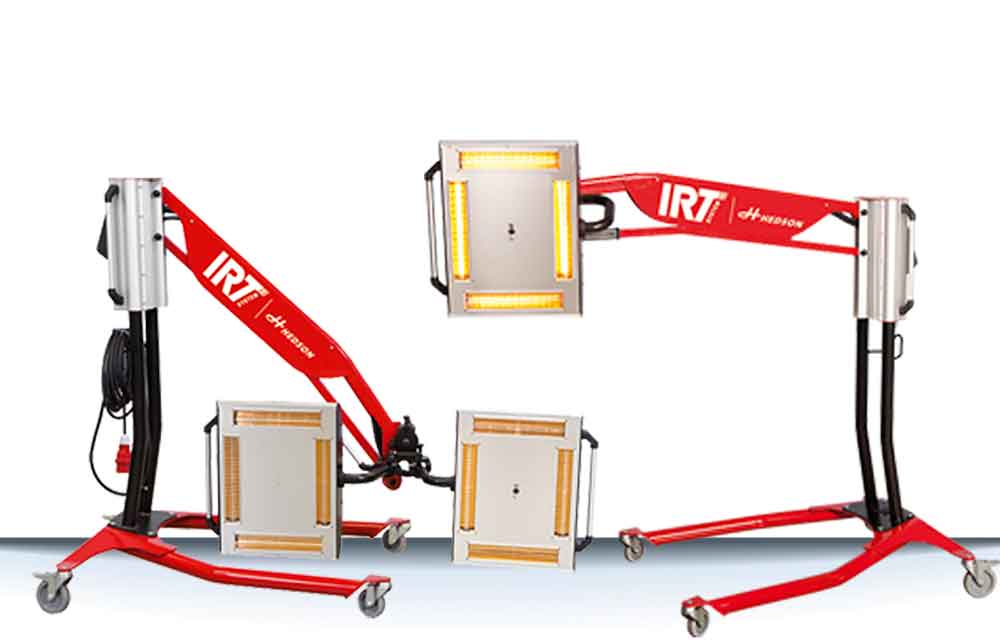
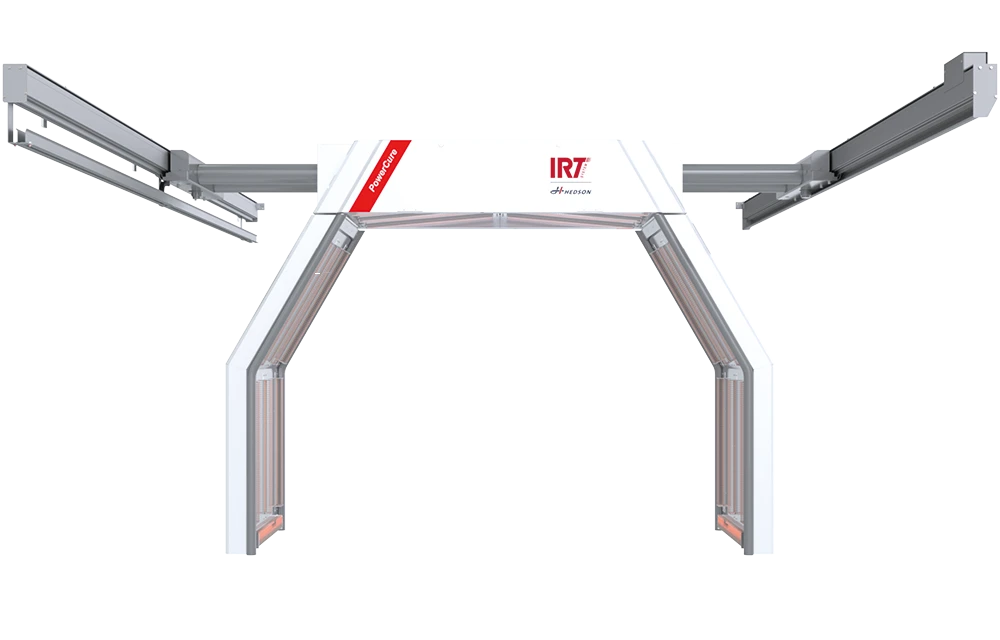
DTP, Combi, PcAuto, TCR, PowerCure, FlexiCure, and iCure options should be matched to repair size, temperature control, workflow repeatability, and production ambition.

06
06 / Handover

Confirm training, safety, power, and maintenance before buying.

The quote should confirm operator training, UV protection, lamp and reflector care, bay layout, power access, working height, and how settings will be controlled after installation.

Comparison criteria

Compare equipment by its real workshop role.

CriteriaWhat to checkWhy it matters
Repair sizeIs the work spot repair, prep drying, one panel, multiple panels, or full bay flow?The answer separates UV spot tools from PrepCure, mobile infrared, rail systems, and high-control options.
Material systemDoes the paint or filler process require UV, UVA, infrared, flash-off support, or a specific curing profile?Curing equipment must match the materials and process used in the workshop.
Control levelDoes the shop need time control, distance guidance, temperature feedback, thermal camera support, or automated process control?Higher control can reduce operator variation, but it must be justified by the workflow.
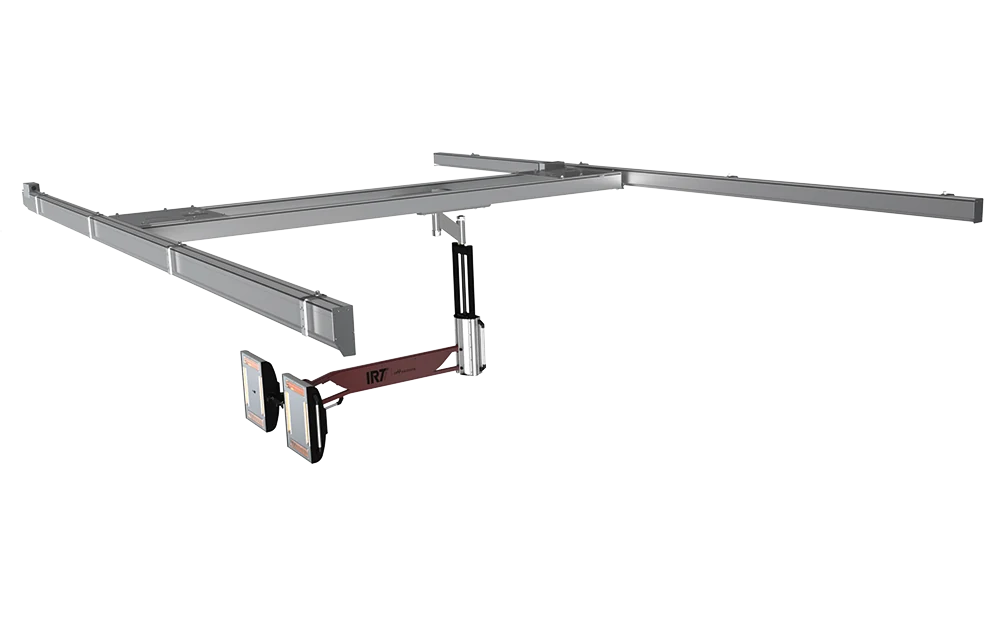
Mobility and layoutShould the unit move between bays, stay in one prep area, mount on a rail, or support several production positions?The wrong mobility choice creates daily friction even if the curing technology is correct.
Operator readinessCan technicians consistently choose settings, distance, safety equipment, and maintenance routines?IRT equipment performs best when operator behavior is part of the implementation plan.
Support before requesting a quoteWhat must M&H confirm about power, space, training, consumables, accessories, and spare parts?The strongest quote reduces surprises before installation and handover.

Information to share with M&H Group

  • Which drying step creates the main delay today: prep, flash-off, spot repair, panel curing, or full bay flow?
  • Which paint, primer, filler, or UV material system must the curing equipment support?
  • What repair sizes are most common, and how many jobs per day or week need curing support?
  • Does the workshop need handheld mobility, mobile stand use, fixed bay use, rail mounting, or automated control?
  • What power, working height, bay layout, ventilation, and safety requirements must be confirmed before installation?
  • Who will own operator training, setting selection, lamp care, UV protection, and daily maintenance?
  • Should the first phase be a compact quick-win unit, a complete paint workflow option, or a production-scale rail system?

Connected equipment

Open products directly related to this guide.

Further information

Continue to videos, applications, and product information.

UV and spot repair options

Start here when the workshop asks about fast spot repair, UV-curing materials, handheld mobility, and compact repair capability.

PrepCure and preparation drying

Use this option when filler, primer, prep, and flash-off delay the bodyshop before the job reaches final paint or handover.

Infrared, thermal control, and rail systems

Open these pages when the customer needs panel curing, higher process control, rail-mounted workflow, or a more standardized production option.

Frequently asked questions

Answers to common questions before choosing equipment.

01Should a workshop choose infrared or UV curing first?

It depends on the material system, repair size, bottleneck, mobility requirement, and desired control level. UV is normally reviewed for compatible spot repair work, while infrared and PrepCure options cover broader drying and curing needs.

02When does a rail-mounted IRT option make sense?

Rail systems should be reviewed when layout, volume, and production discipline justify a fixed overhead curing option instead of moving equipment between bays.

03What should be confirmed before buying IRT equipment?

Confirm material system, repair size, bay layout, power, mobility, operator training, safety, lamp care, and whether a compact or production-scale option is the right first phase with M&H Group.

04Can IRT equipment reduce paint department cycle time?

It can support a shorter and more controlled workflow when drying or curing is the bottleneck, but the full process, operator setup, and material system must be planned correctly.

05Is the most advanced IRT unit always the best choice?

No. The right choice depends on the workshop problem. A compact UV or PrepCure option can be better than a larger system when the job mix, space, or operator setup does not justify more complexity.

Would you like help reviewing the equipment path for your workshop?

Share the work type, available space, preferred model, and installation requirements with M&H Group before requesting a quote.

QuoteCall