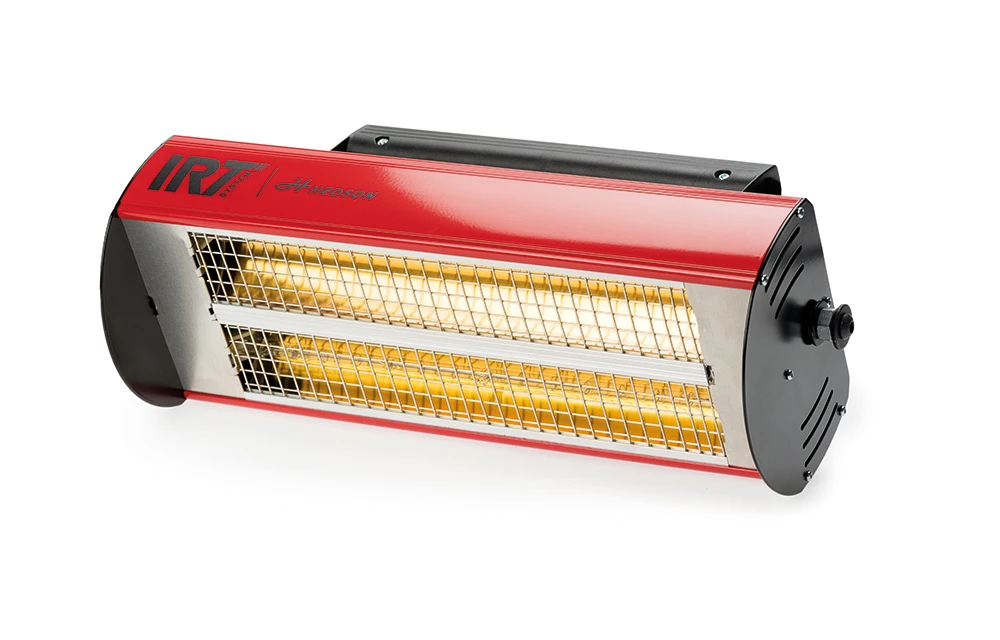
IRT Prep 2
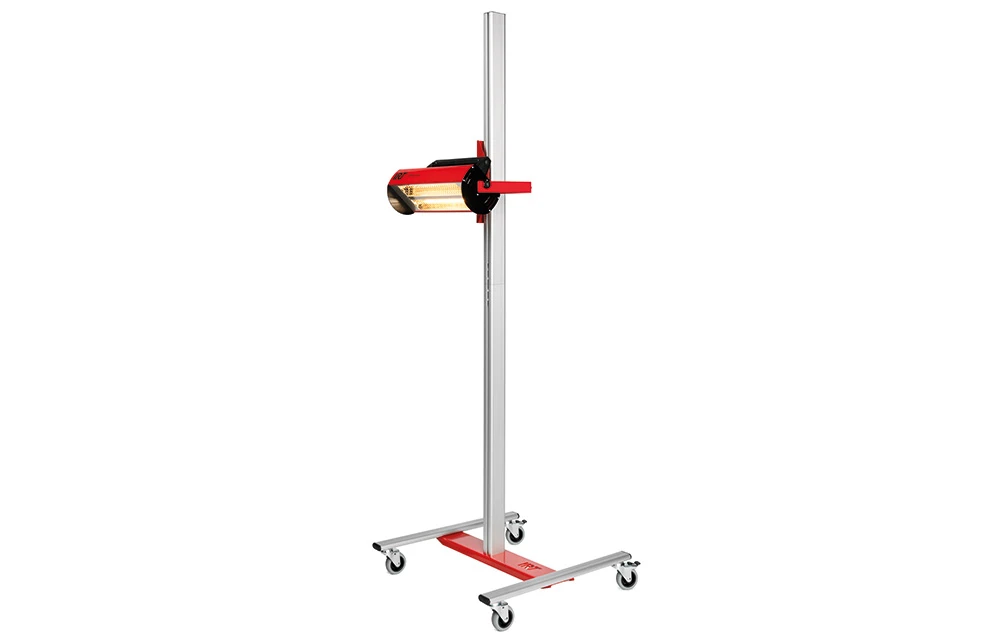
A compact infrared dryer for localized paint preparation work. Select the electrical configuration for the installation and coating process.
Product details →
IRT · HEDSON
Infrared and UV curing
IRT Prep 1-2: compare the model and installation configurations below. M&H Group can confirm the equipment for your workshop.
TECHNICAL DATA
M&H Group confirms the exact configuration, installation requirements and commercial terms in the quotation. Site dimensions must be checked against the drawing for the ordered version.
M&H Group confirms the exact configuration, installation requirements and commercial terms in the quotation. Site dimensions must be checked against the drawing for the ordered version.
PRODUCT GALLERY
M&H GROUP · THAILAND
Electrical supply, equipment options and installation vary by model. Regional codes do not establish Thailand compatibility.
A compact infrared dryer for localized paint preparation work. Select the electrical configuration for the installation and coating process.
Product details →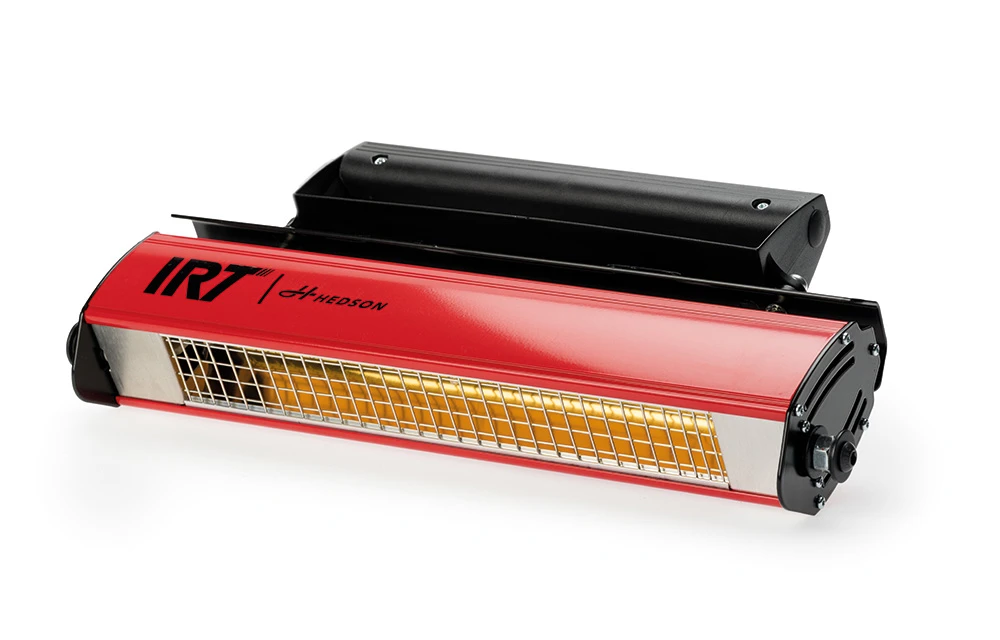
Compact infrared heating for spot repairs and small components, with the mounting arrangement specified for the work area.
Product details →HEDSON
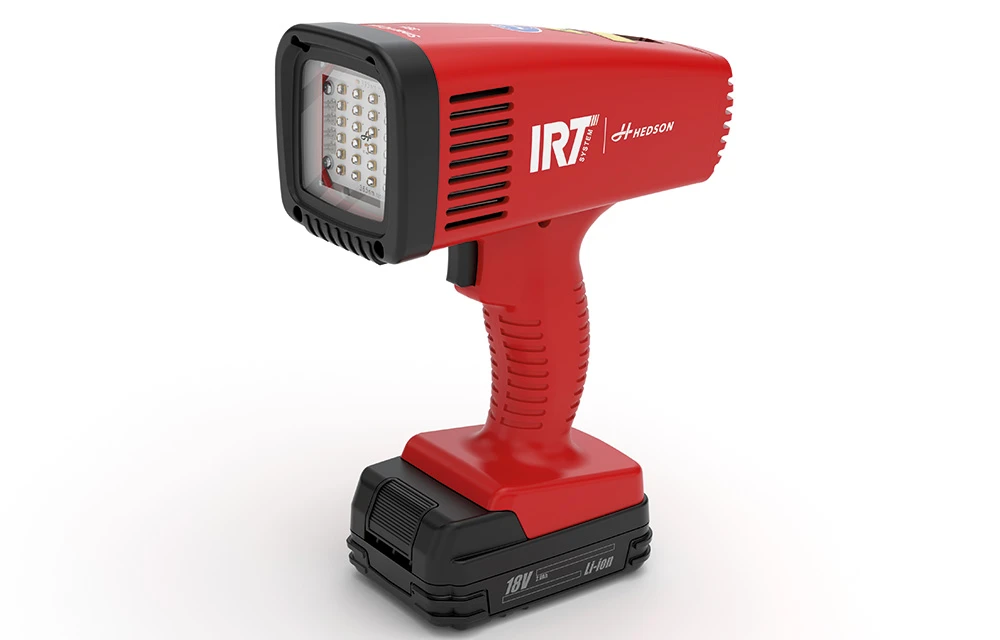
Battery-powered UV LED curing for localized repairs. The handheld format gives access to areas where a mains cable would restrict movement.
Product details →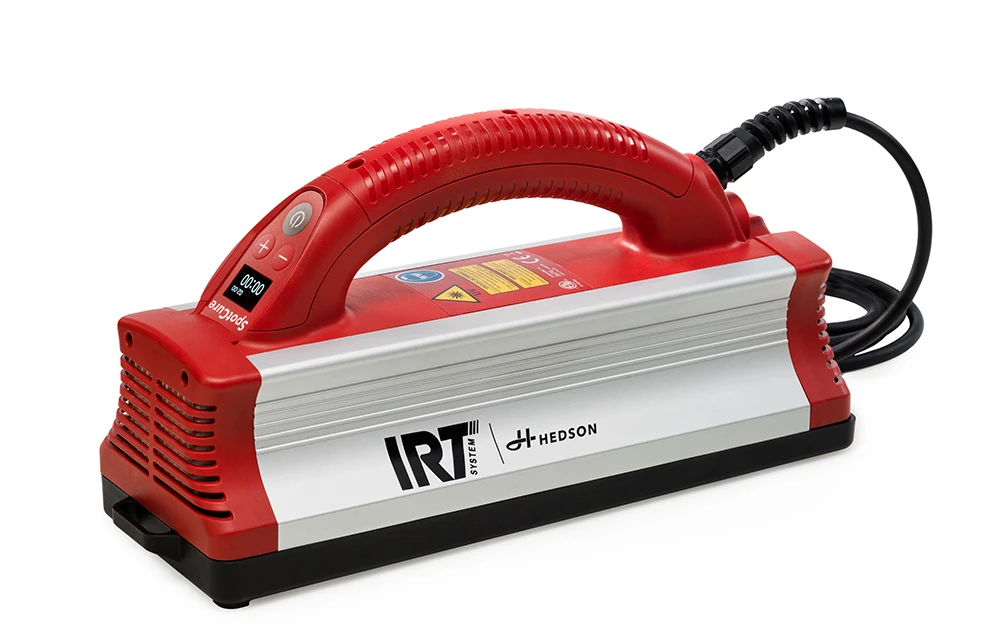
Handheld UV LED curing for localized paint repairs, with 132 LEDs, individual optics and temperature-regulated ventilation. Curing time depends on the coating and the size of the repair.
Product details →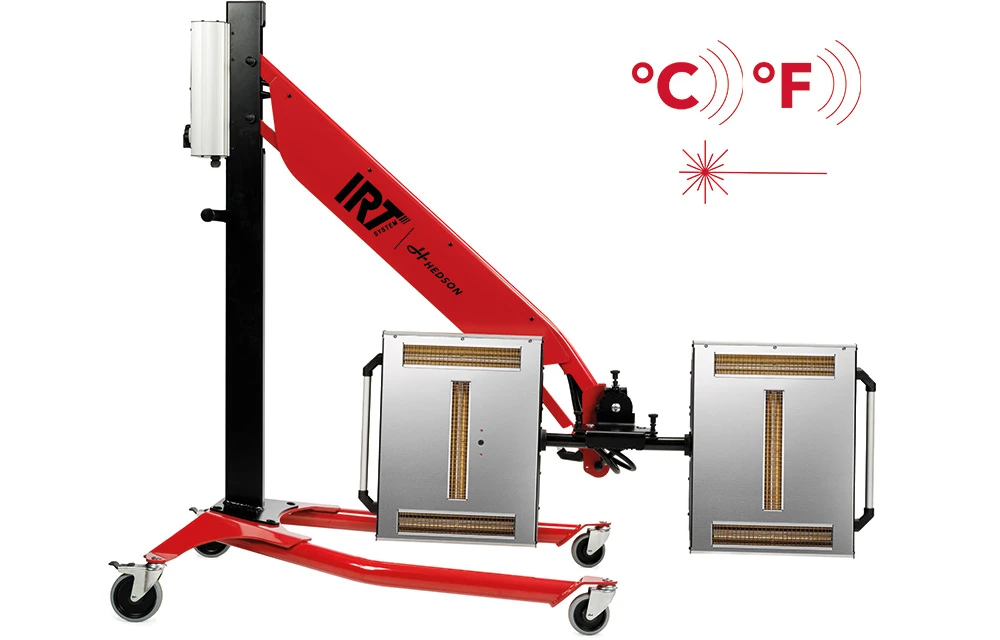
Mobile infrared curing with twin cassettes, laser distance guidance and pyrometer temperature measurement. Each cassette contains three lamps; the controller displays energy use after the cycle.
Product details →M&H GROUP