
Exchangeable battery
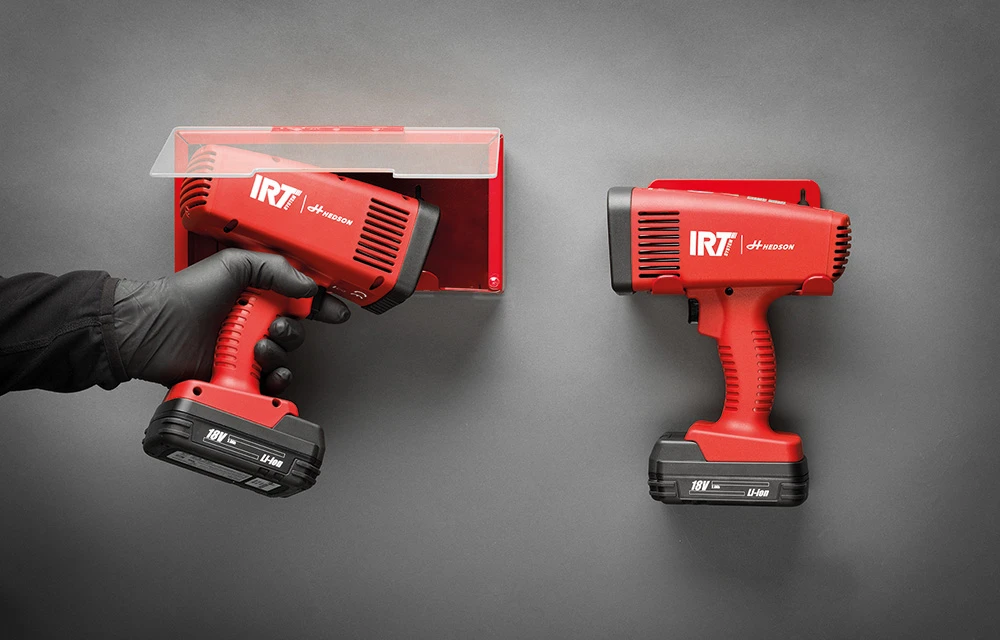
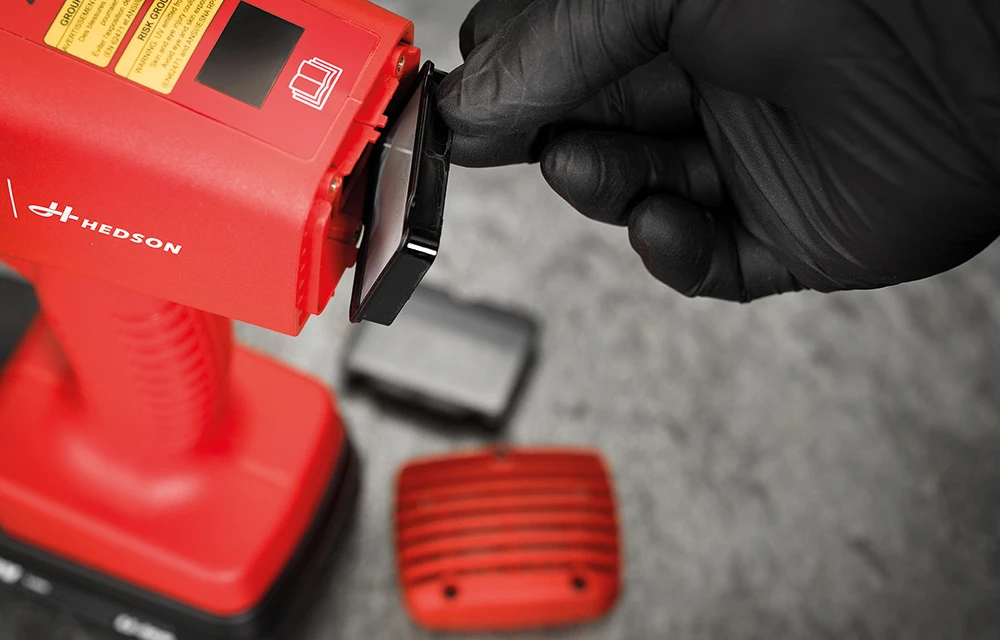
The 18 V battery is replaceable. Electronics regulate light output through the battery cycle and indicate when a battery change is needed.

IRT · HEDSON
Infrared and UV curing
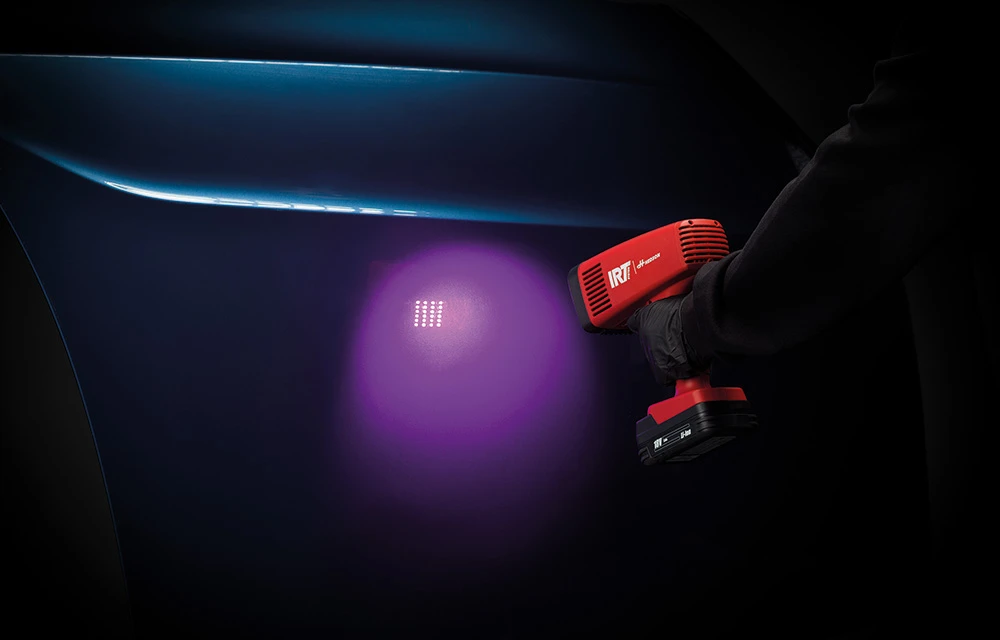
Battery-powered UV LED curing for localized repairs. The handheld format gives access to areas where a mains cable would restrict movement.
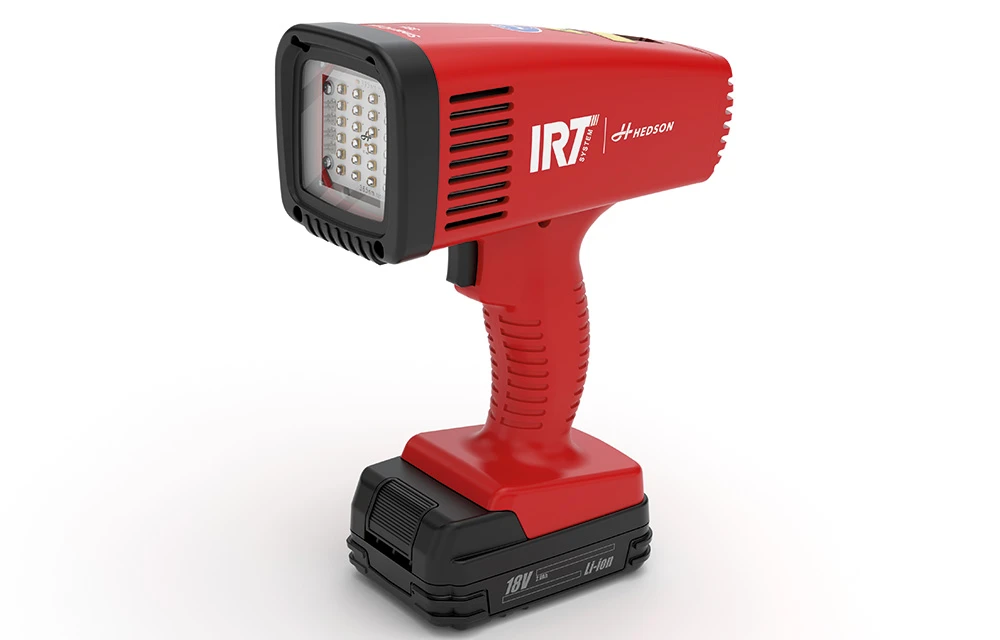
The 18 V battery is replaceable. Electronics regulate light output through the battery cycle and indicate when a battery change is needed.
Separate articles cover 365 nm and 395 nm versions and regional charger configurations. Match the wavelength to the coating manufacturer’s instructions.
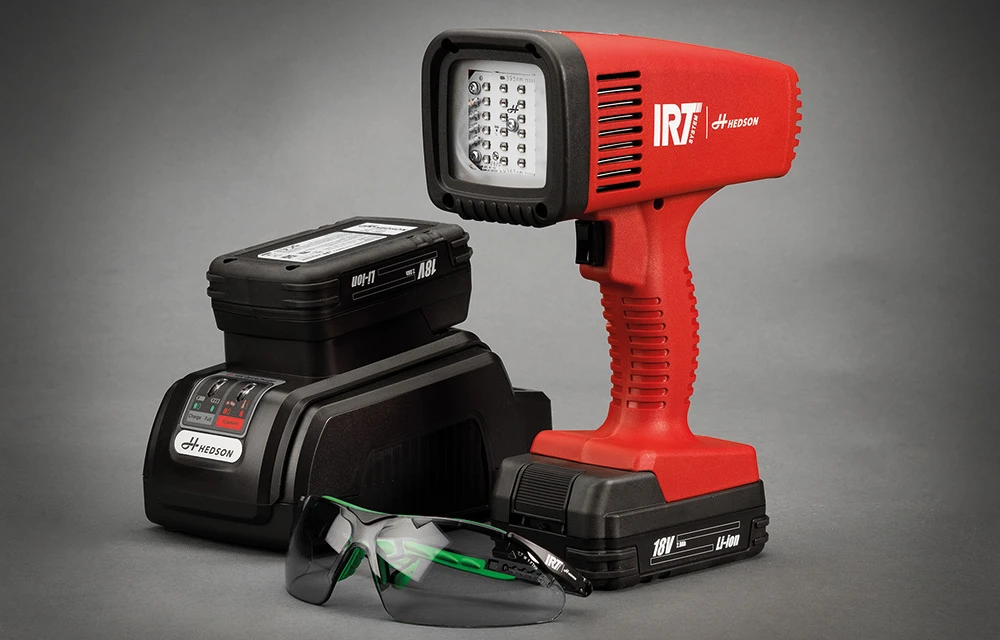
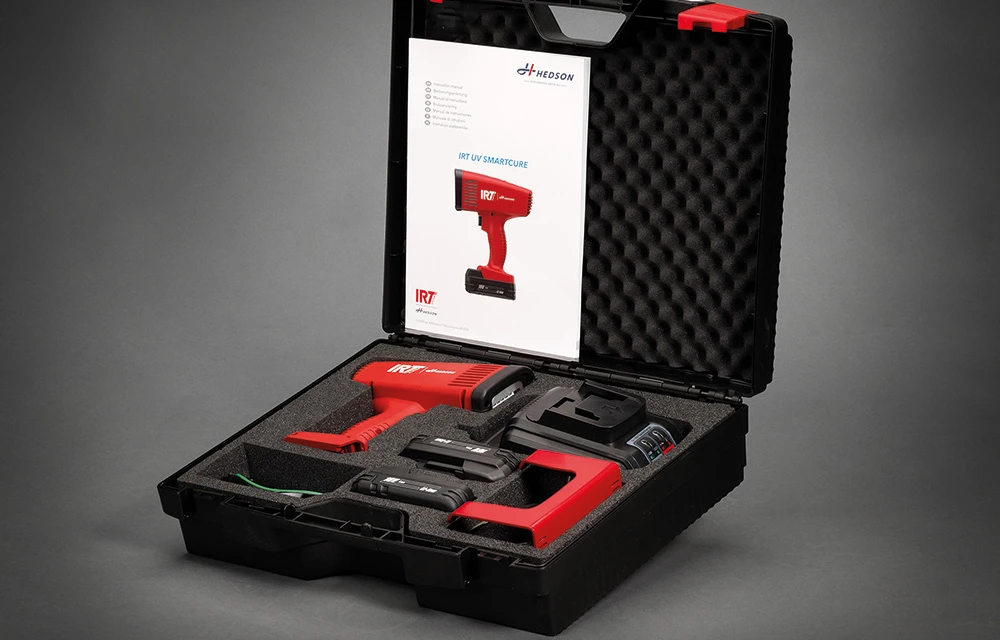
Hedson describes a twin battery pack, charger, magnetic wall bracket and UV safety eyewear. Confirm the contents for the regional article in the quotation.
TECHNICAL DATA
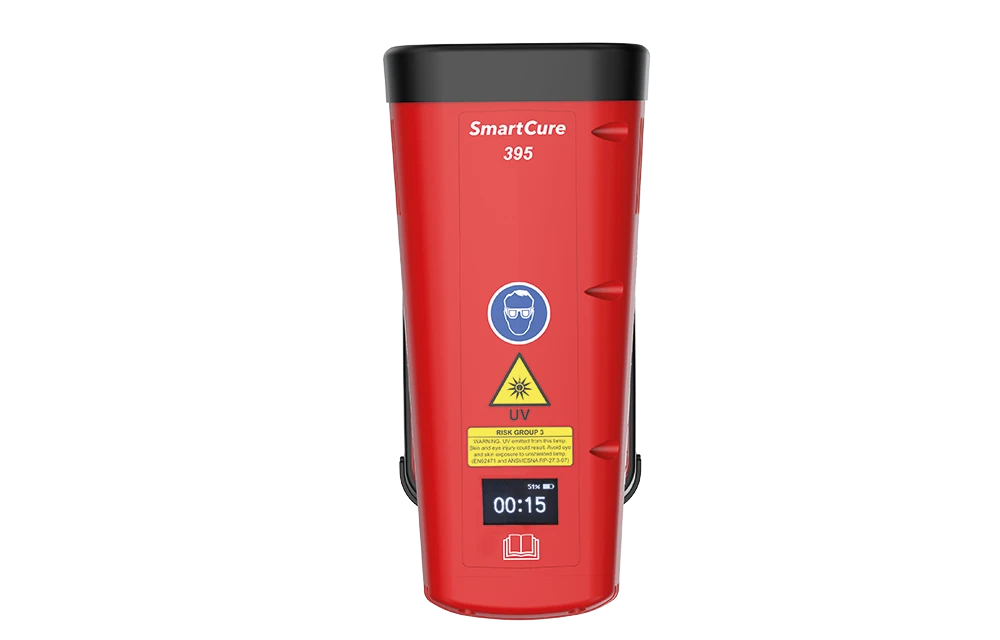
| Specification | Value |
|---|---|
| Weight (kg) | 1.16 kg |
| Length (mm) | 189 mm |
| Height (mm) | 250 mm |
| Width / depth (mm) | 88 mm |
| Power supply | Battery 18 VDC, Charger 100-240 VAC |
| Infrared/UV LED | UV LED |
| Battery powered/corded | Battery powered |
| Handheld | YES |
| Floor mobile | NO |
| Ceiling installation | NO |
| Curing area | Spot repair |
| Pyrometer /Thermal Camera | NO |
| Distance guide laser/distance guide radar | NO |
| Display for energy use | NO |
| Prep Zone / Spray booth | Prep zone |
| Automated movement | NO |
M&H Group confirms the exact configuration, installation requirements and commercial terms in the quotation. Site dimensions must be checked against the drawing for the ordered version.
PRODUCT GALLERY
M&H GROUP · THAILAND
Electrical supply, equipment options and installation vary by model. Regional codes do not establish Thailand compatibility.
Battery-powered UV LED curing for localized repairs. The handheld format gives access to areas where a mains cable would restrict movement.
| Specification | Value |
|---|---|
| Wavelength | 395 nm |
| Region | EU |
| Specification | Value |
|---|---|
| Wavelength | 395 nm |
| Region | North America |
| Specification | Value |
|---|---|
| Wavelength | 395 nm |
| Region | UK |
| Specification | Value |
|---|---|
| Wavelength | 395 nm |
| Region | Japan |
| Specification | Value |
|---|---|
| Wavelength | 395 nm |
| Region | Australia |
| Specification | Value |
|---|---|
| Wavelength | 365 nm |
| Region | EU |
| Specification | Value |
|---|---|
| Wavelength | 365 nm |
| Region | North America |
| Specification | Value |
|---|---|
| Wavelength | 365 nm |
| Region | UK |
| Specification | Value |
|---|---|
| Wavelength | 365 nm |
| Region | Japan |
| Specification | Value |
|---|---|
| Wavelength | 365 nm |
| Region | Australia |
ACCESSORIES & CONSUMABLES
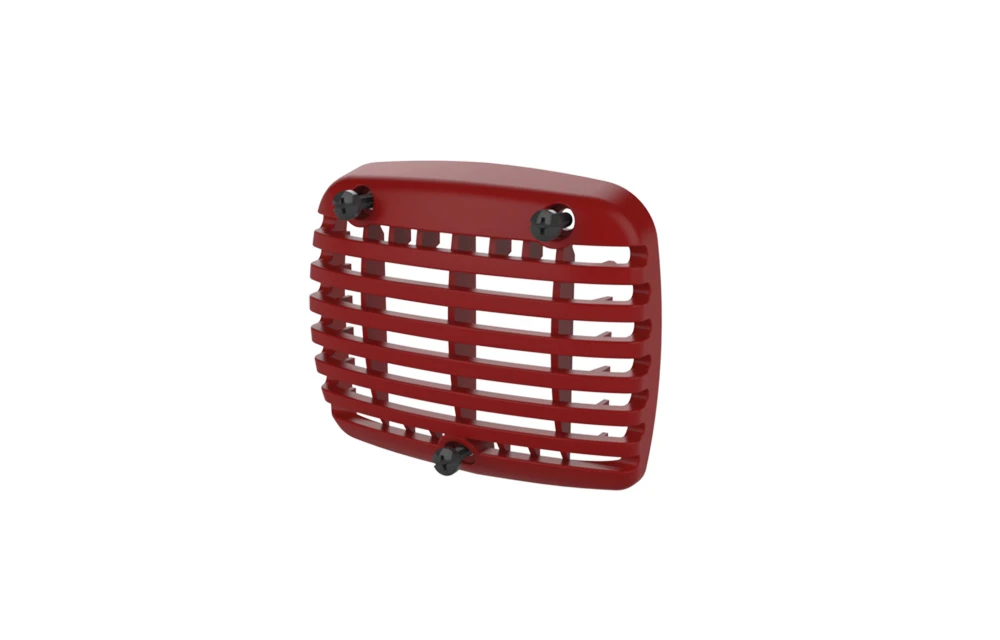
Items below are separate options or consumables, not a statement of included equipment. Confirm compatibility and package contents with M&H Group.
Article: 715151
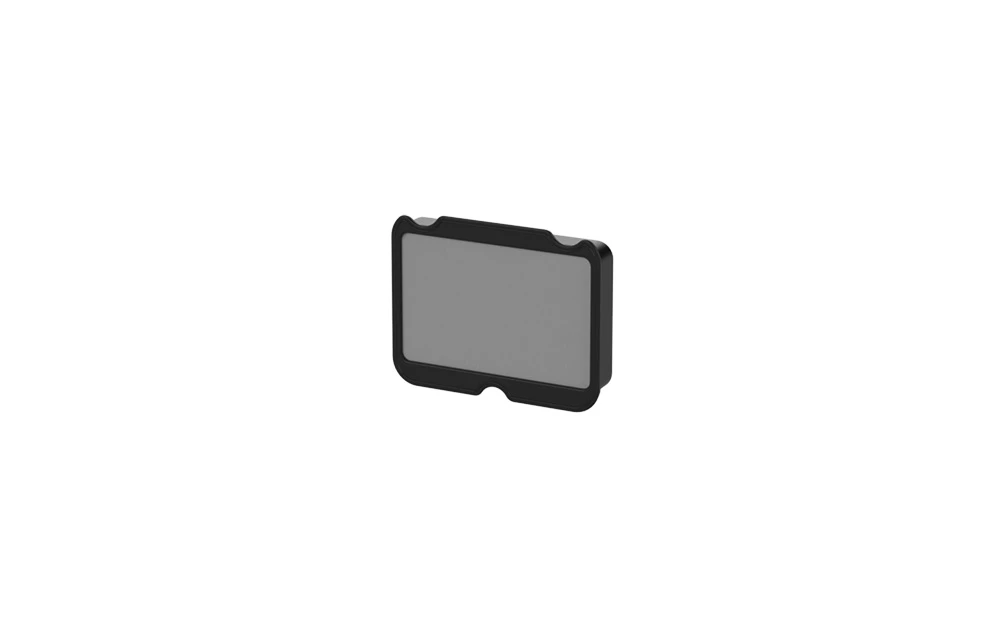
Article: 715074
HEDSON
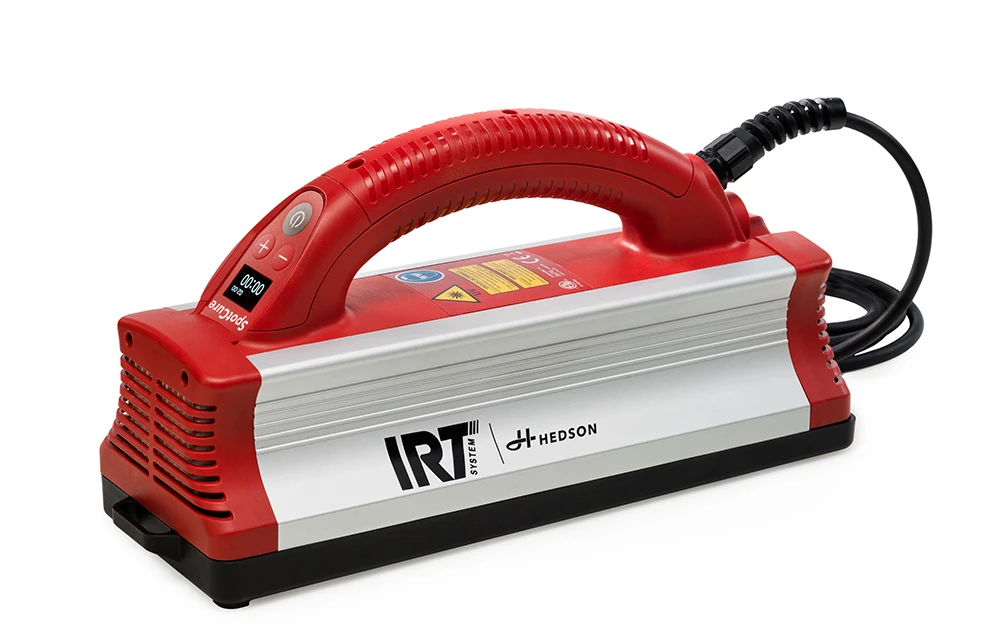
Handheld UV LED curing for localized paint repairs, with 132 LEDs, individual optics and temperature-regulated ventilation. Curing time depends on the coating and the size of the repair.
Product details →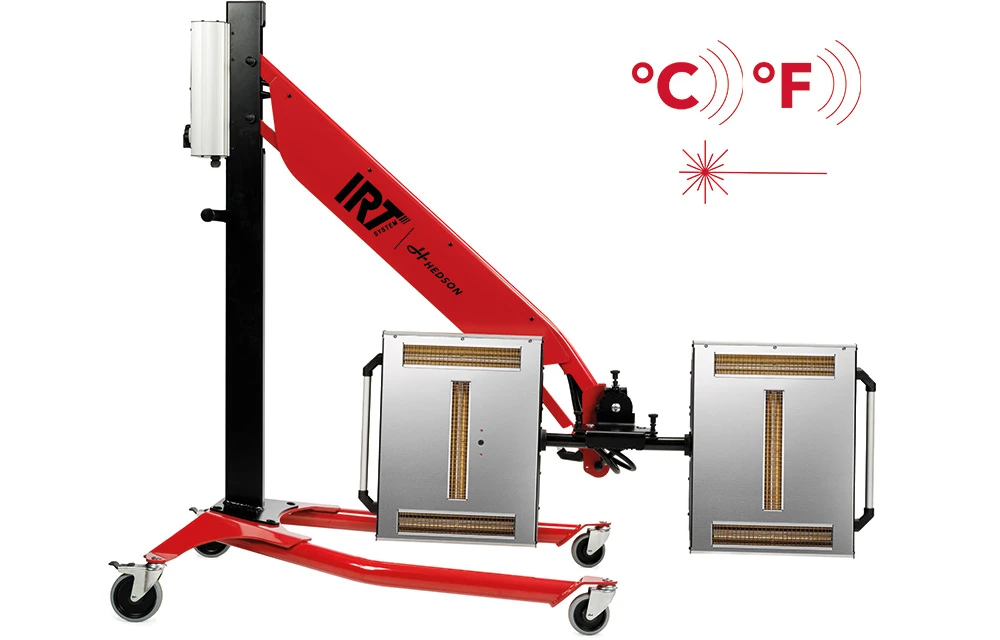
Mobile infrared curing with twin cassettes, laser distance guidance and pyrometer temperature measurement. Each cassette contains three lamps; the controller displays energy use after the cycle.
Product details →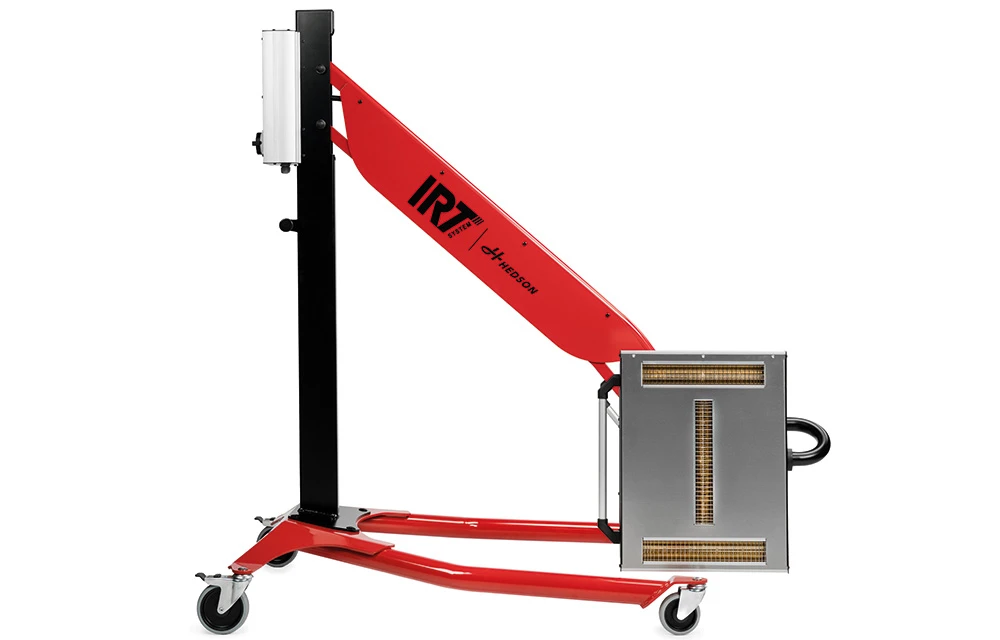
A mobile, single-cassette infrared dryer for paint preparation and refinishing. The adjustable arm positions the cassette over the repair area, with energy-use information on the display.
Product details →M&H GROUP