Wheel repair

HBC-System Wheel Repair Knowledge Hub

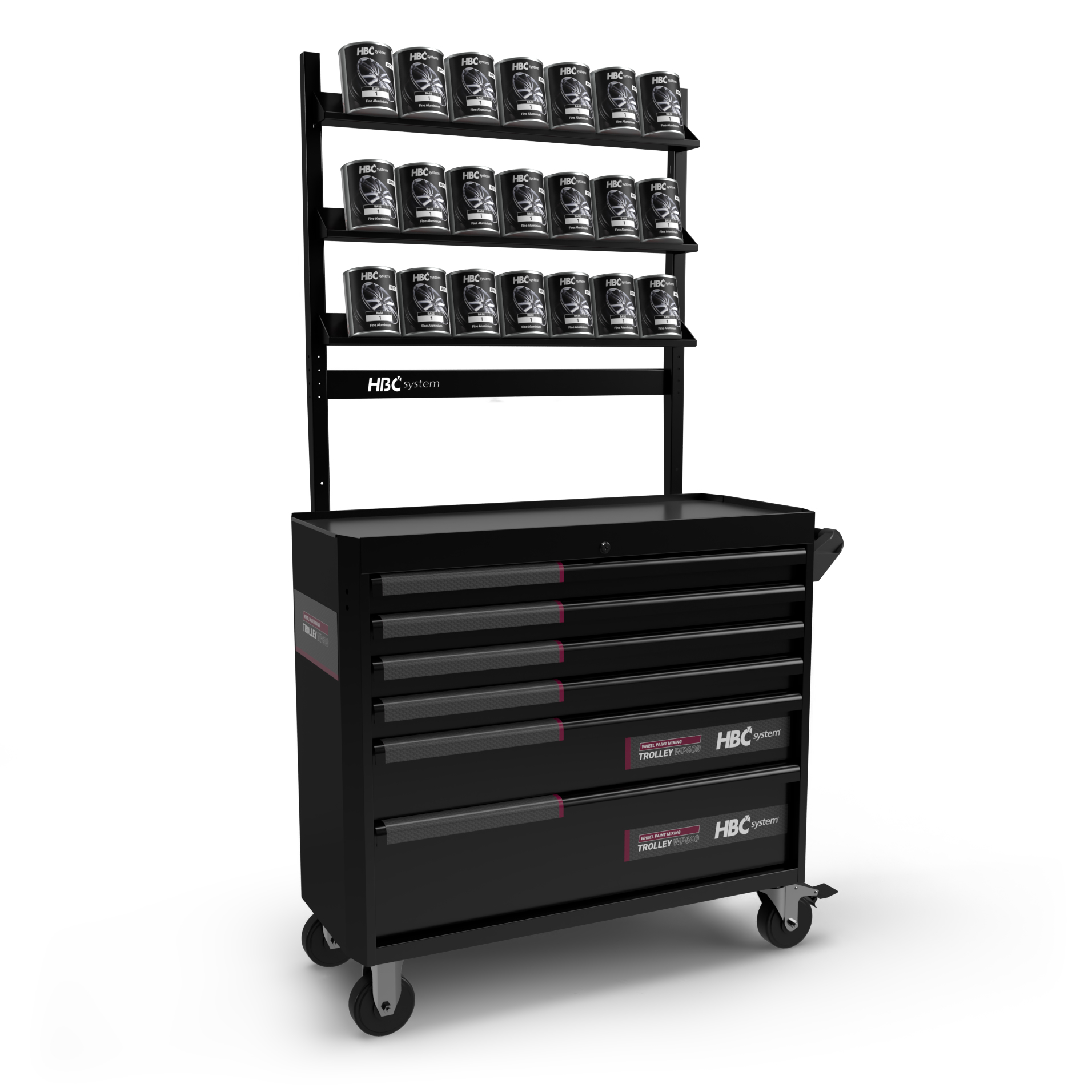
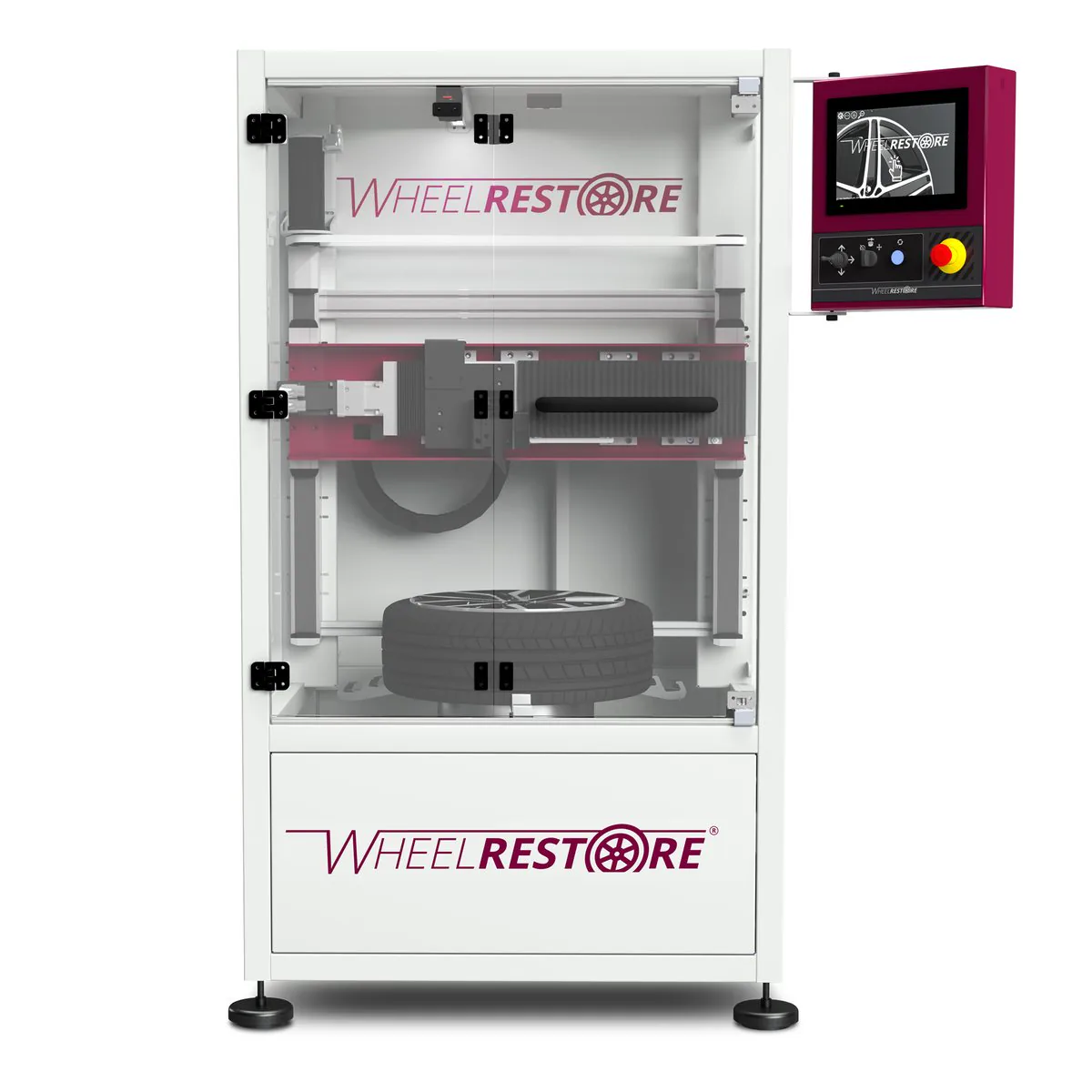
HBC-System wheel repair should be reviewed as a complete workflow: inspect the wheel, correct damage, prepare the surface, refinish the visible face, control paint/extraction, and support the operator with training and consumables.

Prepared by M&H Group Technical TeamBased on official HBC-System informationApproximately 10 minutes

Workshop summary

What this guide helps you plan.

Many workshops compare wheel equipment too narrowly. The better buying question is which wheel jobs should stay in-house, which steps need process control, and which products should be phased before the first quote.

  1. Define the wheel repair offerDecide whether the workshop needs cosmetic touch-up, straightening, diamond cutting, automated wheel painting, OEM color support, or a complete wheel profit-center option.
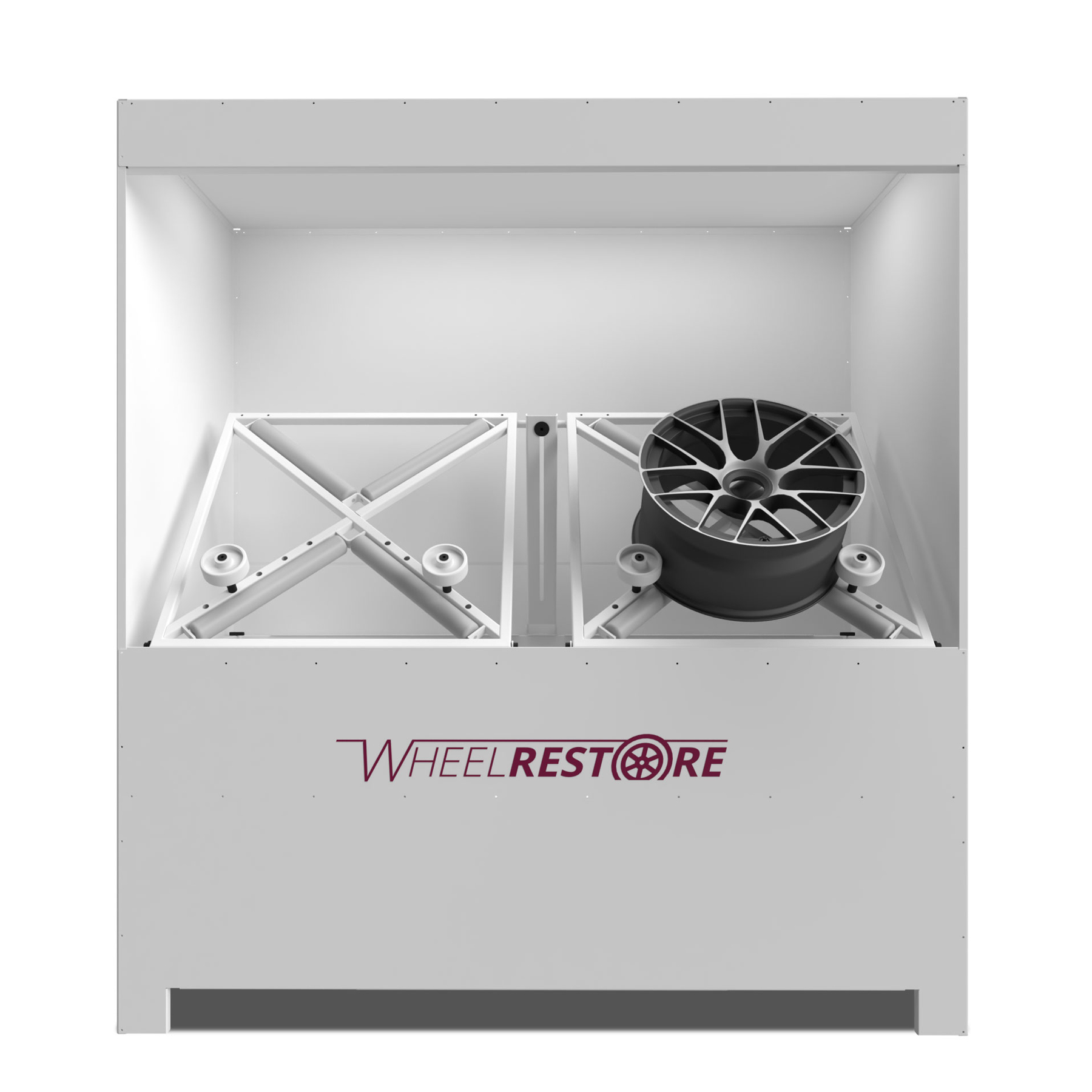
  2. Separate dirty and clean processesBlasting, sanding, and surface preparation should be reviewed separately from painting, clear coat, extraction, and customer-visible finish quality.
  3. Match equipment to real volumeA single machine can be the right first move, but wheel volume, finish expectations, operator level, and space must decide the sequence.
  4. Plan support before installationTraining, consumables, ventilation/extraction, wheel handling, spare parts, and handover routines should be part of the quote discussion.
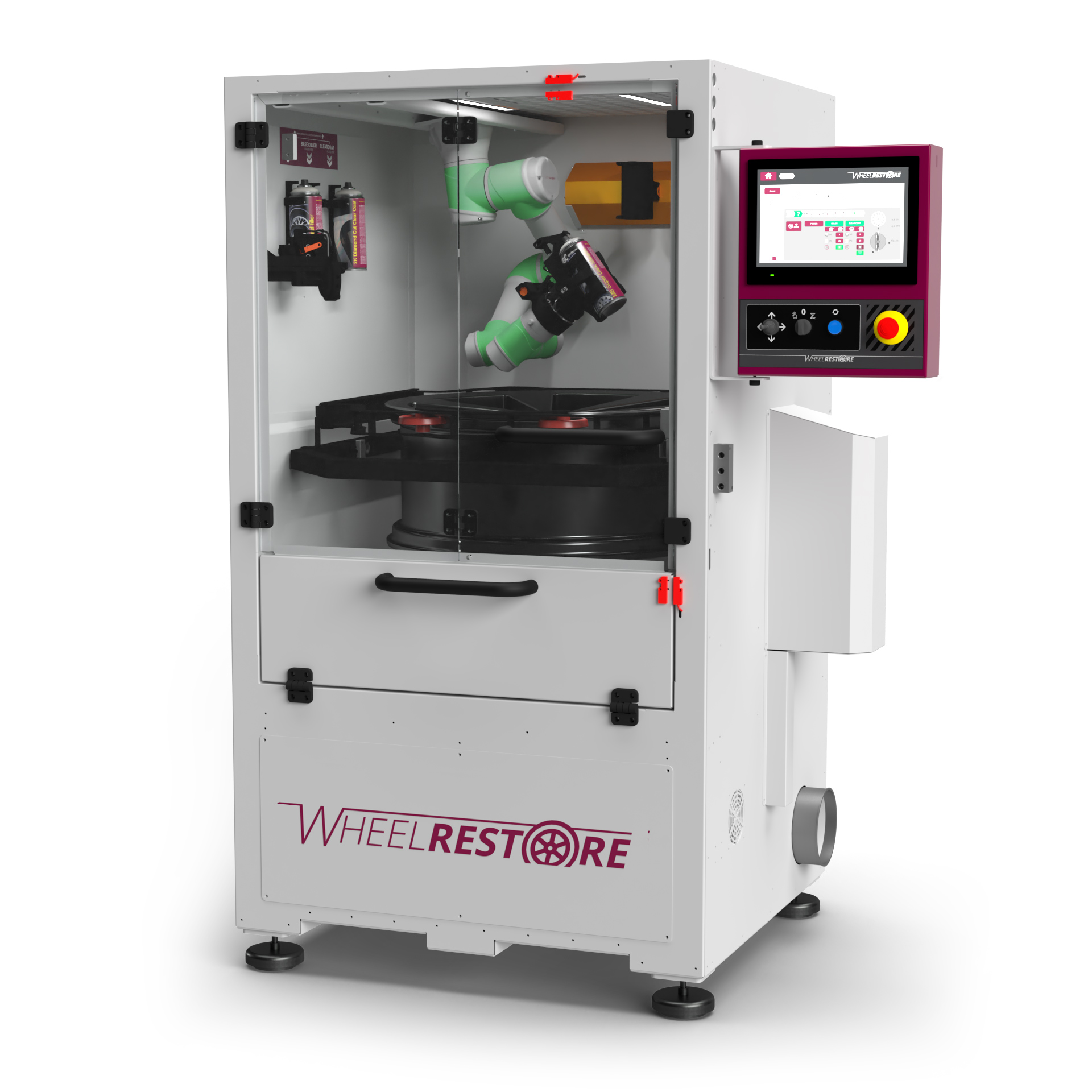
Workshop sequence

Understand the process before choosing a model.

Start with the work objective, then confirm equipment, space, installation, and support requirements.

01
01

Inspection and business case

Confirm wheel volume, outsourced work, damage types, finish expectations, and whether the option should start with one machine or a complete wheel repair cell.

02
02

Rim correction

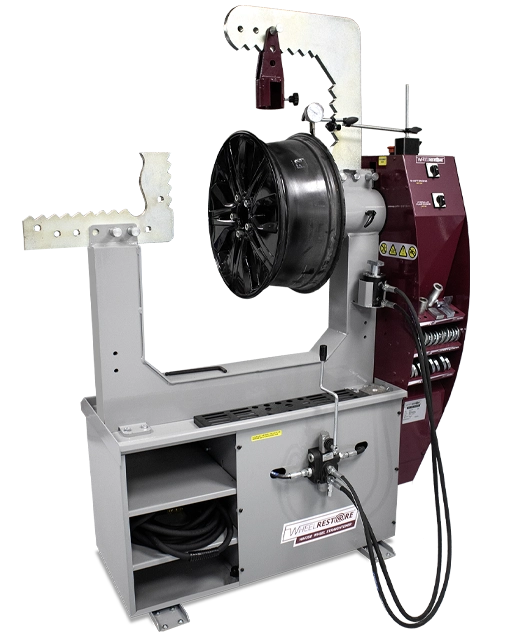
Bent alloy rims should be reviewed before cosmetic refinishing so the visible finish is not planned before the wheel repair condition is understood.

03
03

Surface preparation

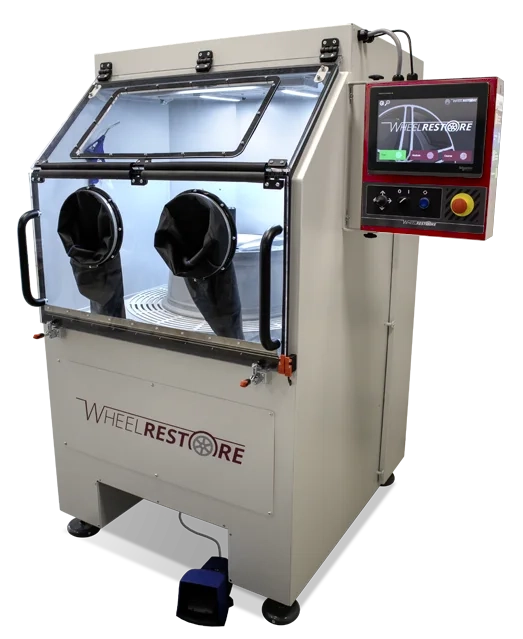
Blasting and preparation support cleaner coating and refinishing work when the workshop wants a repeatable option instead of manual guesswork.

04
04

Diamond cutting and visible refinish

Diamond-cut and alloy refinishing capability should be matched to the wheel styles, operator capability, and finish standard the workshop wants to offer.

06
06

Training, consumables, and handover

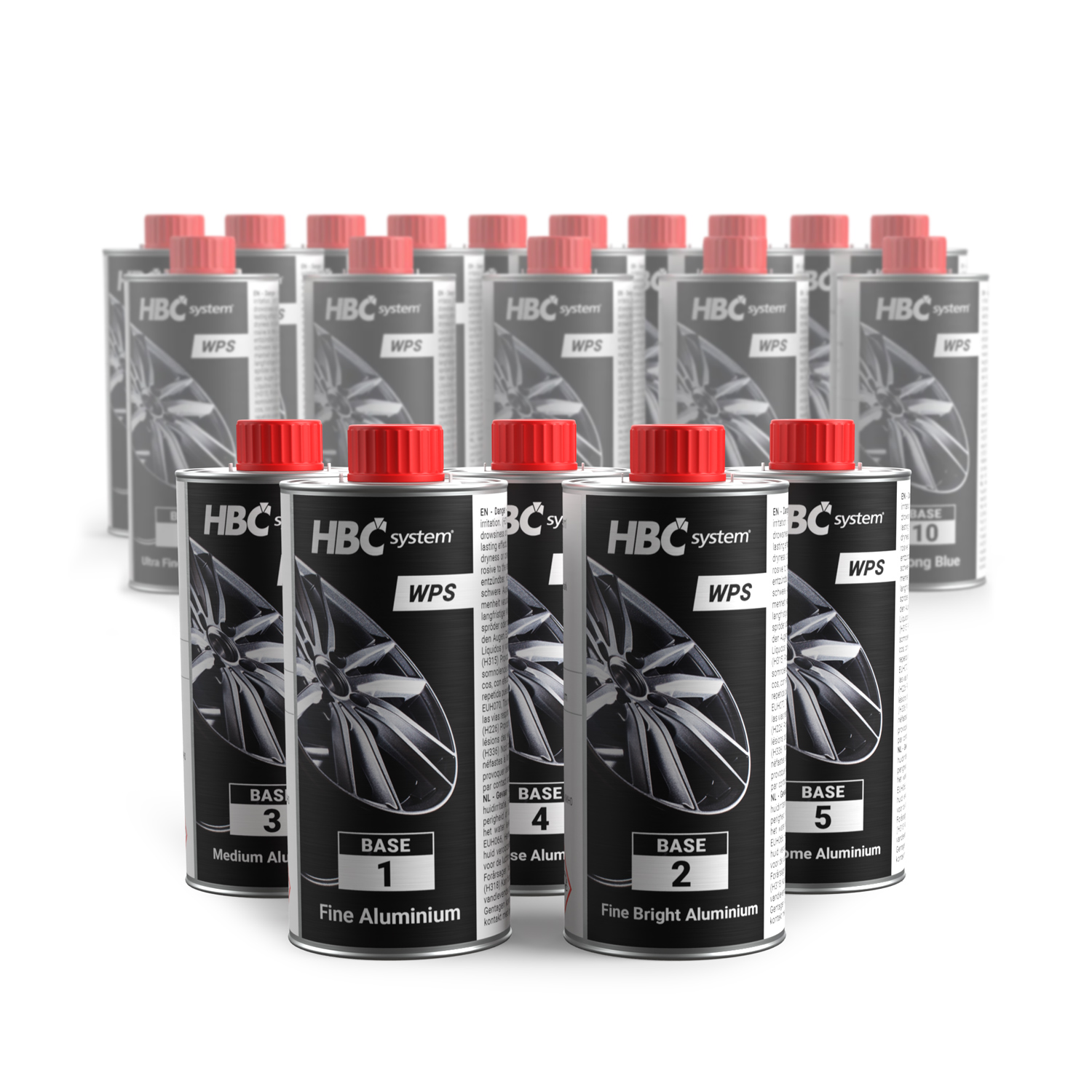
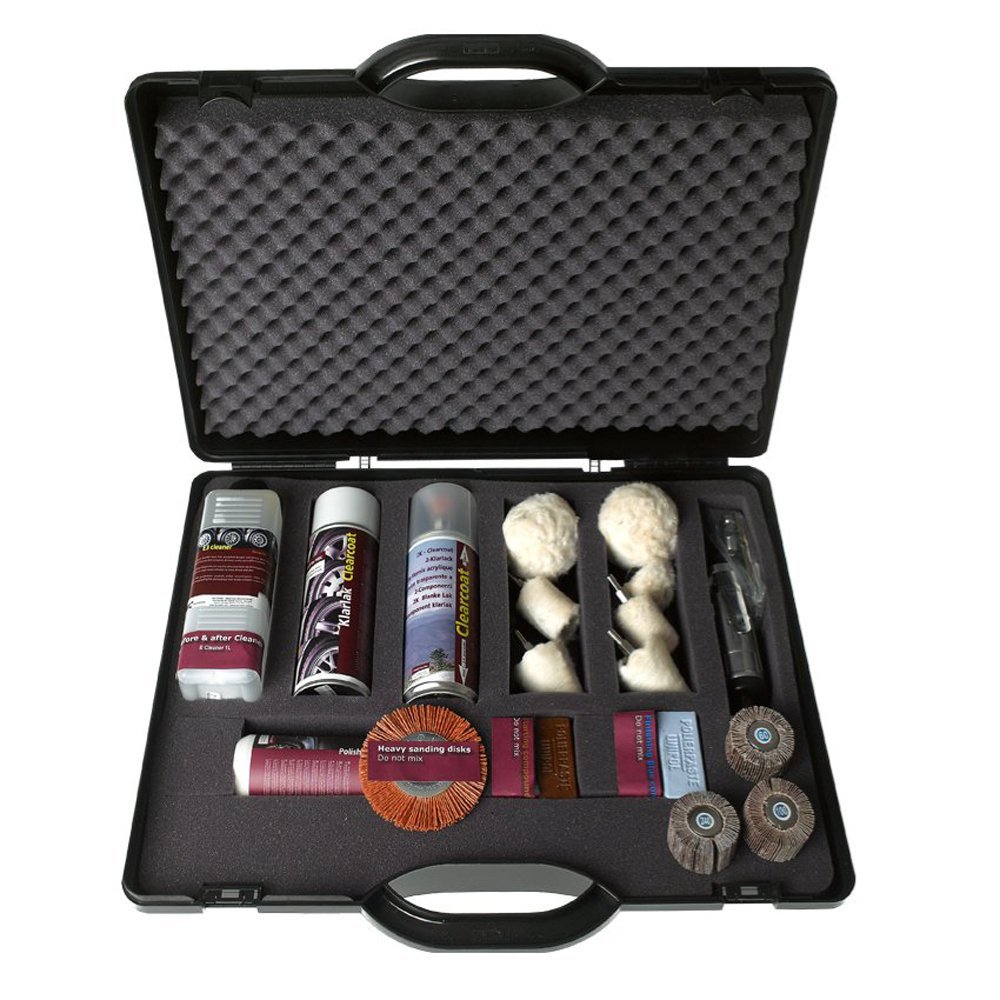
The quote should clarify operator training, consumables, quality checks, spare parts option, and how M&H Group will support the first-use handover.

Comparison criteria

Compare equipment by its real workshop role.

CriteriaWhat to checkWhy it matters
First questionWhich wheel job should this product control?Prevents buying a machine before the workflow role is clear.
Volume fitHow many wheels and repair types are expected?Helps decide whether to start small or build a complete option.
Space fitWhere will dirty prep, clean paint, extraction, and handover happen?Avoids a premium machine being limited by poor layout.
Operator fitWho owns setup, quality checks, consumables, and daily operation?Keeps the quote grounded in real workshop capability.
Support fitWhat training, parts, supplier documentation, and M&H follow-up are needed?Turns product selection into a supported implementation.

Information to share with M&H Group

  • Which wheel jobs are currently outsourced, and which should stay inside the workshop first?
  • Is the first priority straightening, preparation, diamond cutting, wheel painting, extraction, or a complete wheel cell?
  • What weekly wheel volume, finish standard, space, power, extraction, and operator ownership should be confirmed?
  • Which consumables, training, spare parts, and first-use handover should be included in the quote?
  • Which products should wait until volume, layout, or operator confidence is proven?

Connected equipment

Open products directly related to this guide.

Further information

Continue to videos, applications, and product information.

Frequently asked questions

Answers to common questions before choosing equipment.

01Should wheel repair be planned as one machine or a full option?

It should be planned as a workflow. Some workshops can start with one high-impact machine, but the complete option may include straightening, blasting, diamond cutting, painting, color support, extraction, training, and consumables.

02What should be confirmed before buying HBC-System wheel equipment?

Confirm wheel volume, wheel types, finish expectations, available space, extraction needs, operator ownership, consumables, training, and the first product that gives the clearest operational benefit.

03Does M&H Group recommend every wheel product at once?

No. The right quote should phase products according to the business case, workshop layout, operator readiness, and which work should be retained in-house first.

04Why include videos and application images in the buying process?

They help buyers see the product environment, workflow role, and practical questions before asking for a quote. They are support material, not a replacement for a workshop-specific review.

Would you like help reviewing the equipment path for your workshop?

Share the work type, available space, preferred model, and installation requirements with M&H Group before requesting a quote.

QuoteCall