- Supplier article no. - Electromagnetic dent puller
- 17500
- Supplier article no. - Glue pulling system
- 17400
- Supplier article no. - Magnetic PDR system
- 13985
- Supplier article no. - Adjustable PDR tool kit
- 502
- Category
- PDR systems
- Workflow
- Non-invasive repair
- Result
- Paint preserved
- Use case
- Small dent repair
- System role
- Paintless dent repair option for preserving original paint where damage allows
- Damage focus
- Small dents, soft dents, hail damage, and door dings
- Access method
- Rear-side access, glue pulling, magnetic support, or tool-based dent correction
- Training dependency
- Operator reading, lighting, tool control, and panel access are critical
- Choose the correct configuration
- Confirm dent type, paint condition, access, and training level before requesting a quote
- Product role
- PDR systems
- Common applications
- Paintless dent repair, Hail and door ding repair, Minor cosmetic correction


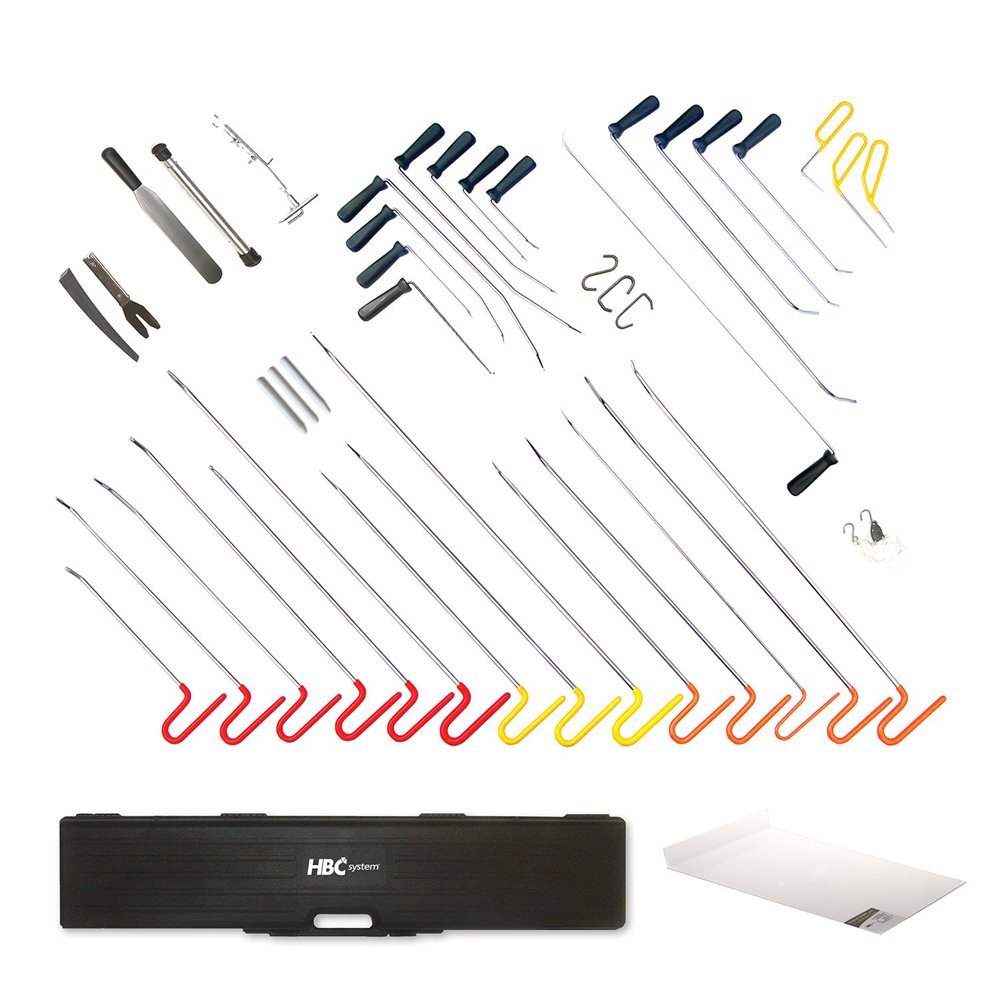
 Workflow
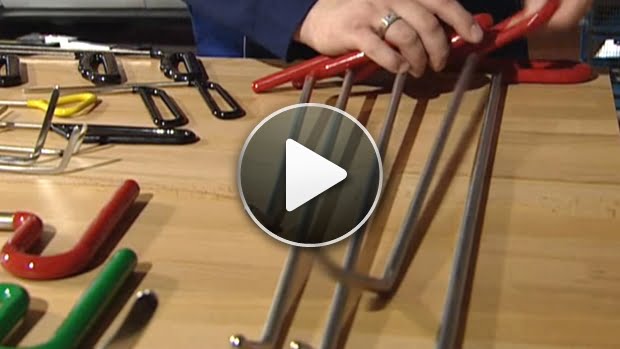 Product video