- Article no.
- HBC-SMR-007
- Category
- Interior repair
- Workflow
- Plastic / leather / vinyl
- Result
- Surface restoration
- Use case
- Cabin and trim repair
- System role
- Interior surface repair route for plastic, leather, and vinyl damage
- Damage focus
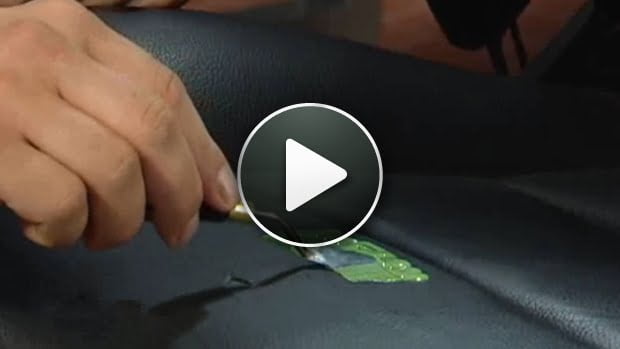
- Scuffs, scratches, small holes, colour loss, and cosmetic interior defects
- Material scope
- Plastic, leather, vinyl, and related trim surfaces
- Consumables route
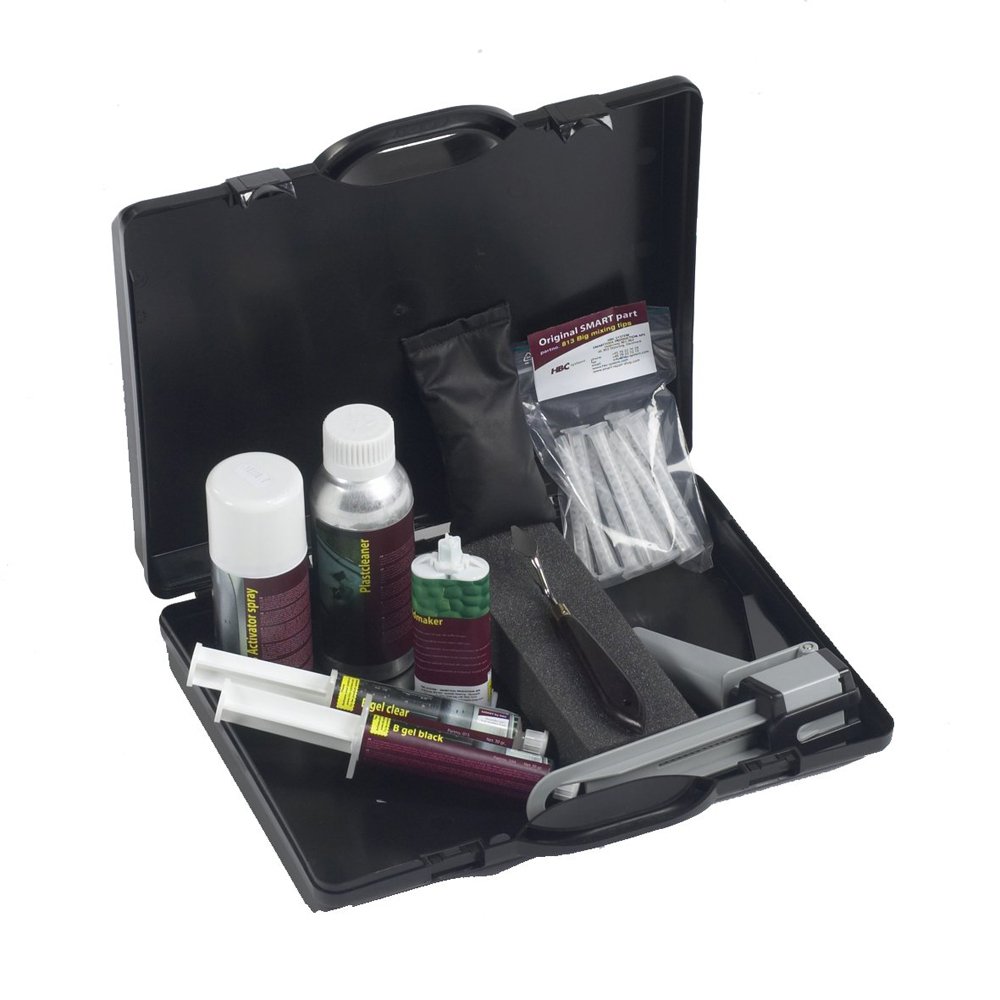
- Repair compounds, colour matching, texture work, and final protection need planning
- Proposal check
- Confirm material type, colour route, texture requirement, and training need
- Product role
- Interior repair
- Common applications
- Seat and trim repair, Cabin surface restoration, Detailing and bodyshop upgrades

- Decision focus
- Supports a broader interior repair offering.
- Product tier
- Core interior hard-and-soft trim repair route
- Workflow position
- Interior repair route for plastic, leather, vinyl, dashboards, trim, and cabin surfaces where replacement can be reduced.
- Choose when
- Choose Plastic Leather and Vinyl Repair System when the workshop wants a serious interior-repair capability across common cabin materials.
- Key difference
- This is the broad interior repair system; it is different from fabric/velour, leather care, color mixing, plastic welding, and texture-only repair.
- Not first when
- Do not lead with the broad system when the job is only fabric damage, only leather maintenance, or a plastic structural crack requiring welding.
- Setup / training check
- Confirm workflow stage, damage type, volume, workspace, operator skill, consumables, and whether installation or training is required.
- Consumables / aftercare
- Plan operator training, consumables, repeat-use discipline, service notes, and the next product that completes the workflow.
- Next step
- Ask M&H to confirm the exact workflow sequence before quoting so the product fits the real repair process.