- Article no.
- SPA-WLD-001
- Category
- Welding and joining
- Workflow
- Weld / join / rivet / repair panels
- Product role
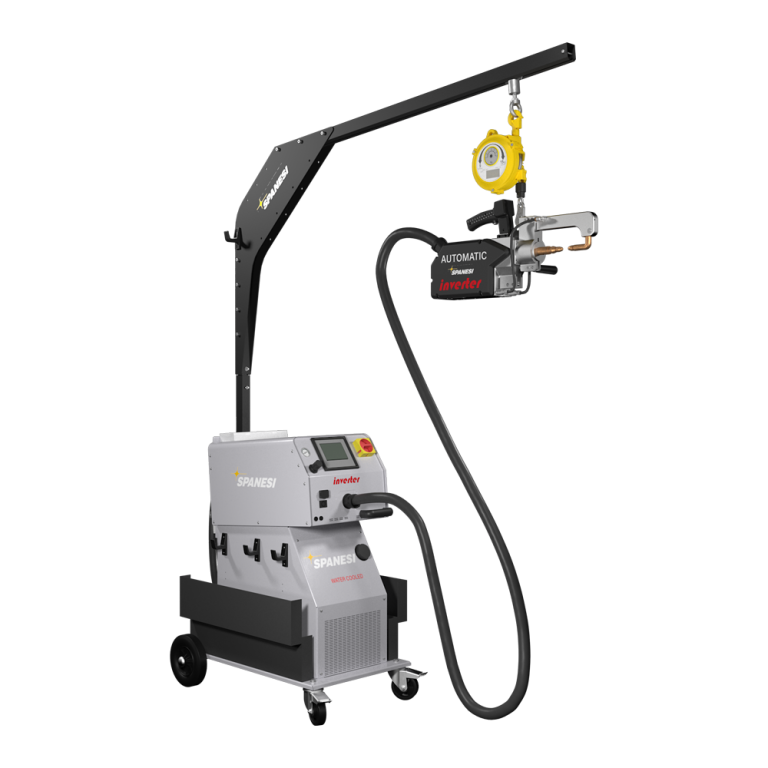
- 200A synergic inverter welding machine for automotive welding applications
- Result
- Controlled joining workflow for modern collision repair
- Use case
- Bodyshops repairing steel, aluminum, and mixed-material panels
- Current range
- 10 - 200 A context listed by Spanesi
- Input
- Single-phase input context listed by Spanesi
- Decision role
- Welding, spot welding, riveting, joining, and panel-repair process support
- Proposal check
- Confirm material mix, OEM repair method, power/air needs, joining method, tooling, and operator approval route
- Training route
- Plan welding/riveting process, test pieces, settings, documentation, and safety training
- Aftercare route
- Confirm arms, consumables, electrodes, dies, accessories, service parts, and support
- Common applications
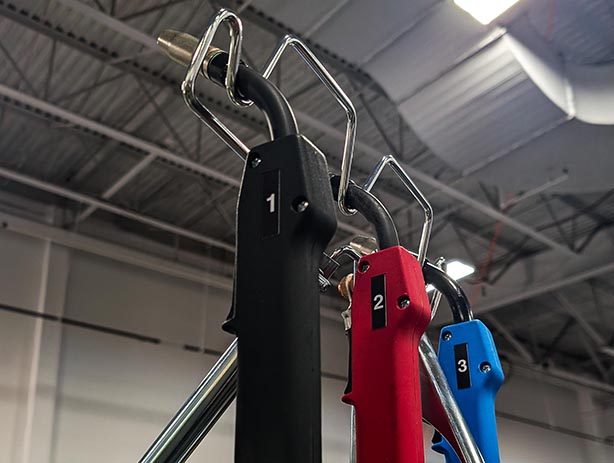
- MIG/TIG support, Spot welding, Riveting
- Decision focus
- Supports controlled welding workflow for automotive repairs.
- Product tier
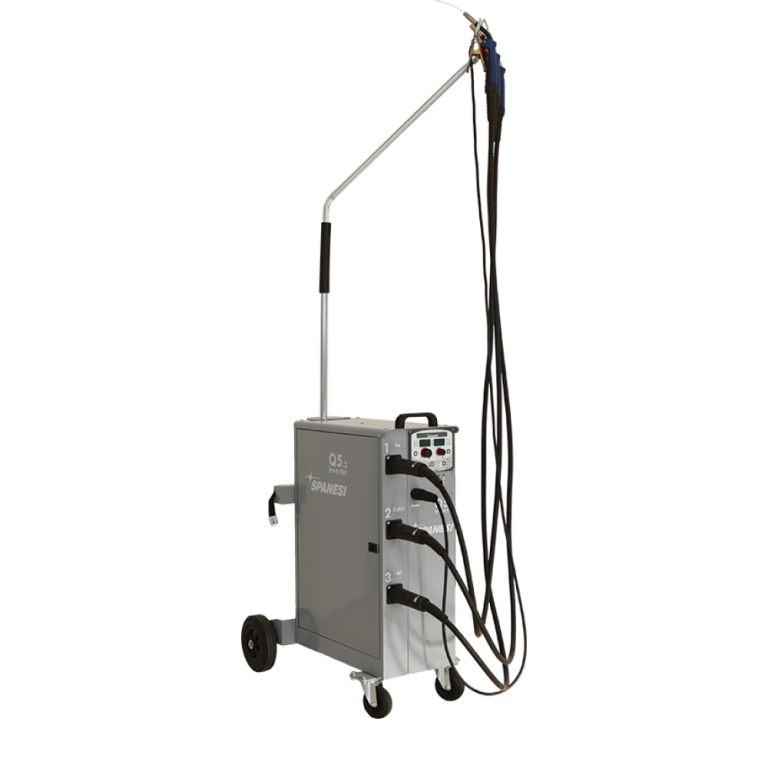
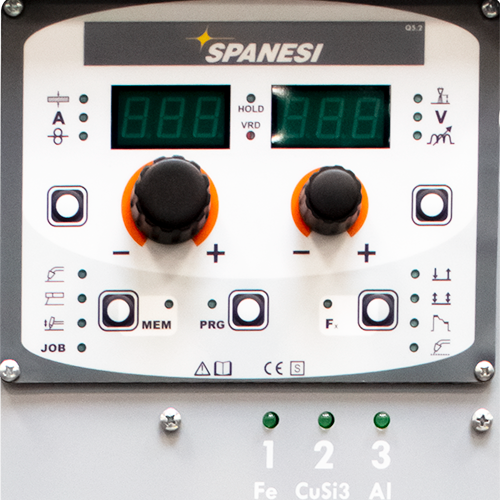
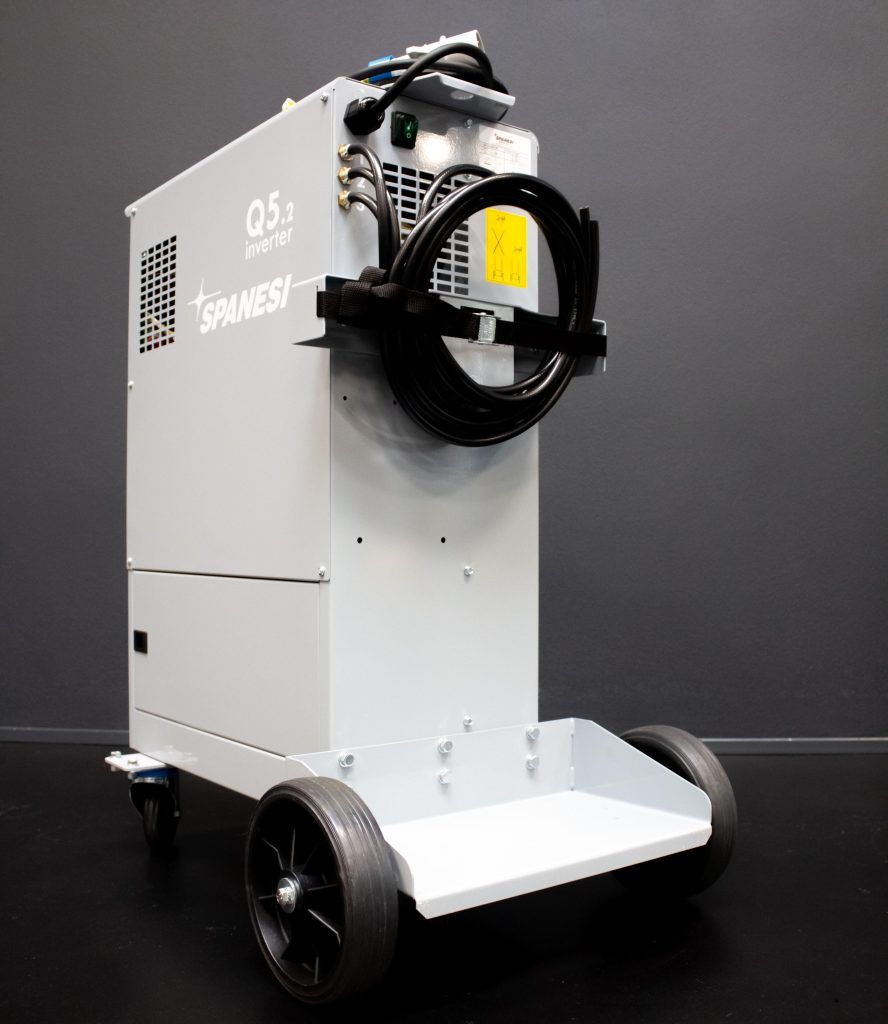
- Q5.2 Inverter Welder route
- Workflow position
- Q5.2 Inverter Welder supports weld / join / rivet / repair panels inside a professional bodyshop route.
- Choose when
- Choose Q5.2 when the workshop needs an inverter welding route for automotive repair tasks.
- Key difference
- Q5.2 is the inverter welder decision, not the spot welder or self-piercing rivet tool.
- Not first when
- Do not lead with Q5.2 if the primary joining method is spot welding, riveting, or adhesive/fixture setup.
- Setup / training check
- Confirm workshop layout, vehicle mix, production pressure, utilities, operator skill, training need, and support route.
- Consumables / aftercare
- Plan training, accessories, service parts, consumables, software or maintenance needs, and future expansion.
- Next step
- Ask M&H Group to confirm the real workflow and model fit before preparing the Spanesi proposal.